Over the Christmas period the focus for me was my dissertation however when I wanted to step away from this I felt it would be a good idea to research general facts and figures to take into consideration so when we go back in the new year I could provide this to my group. I wanted to research just general facts and figures to understand the overall impact the NHS has one people. I first looked into general facts and I then looked into more of the negative side of the NHS and the issues they face today.
NHS GENERAL FACTS:
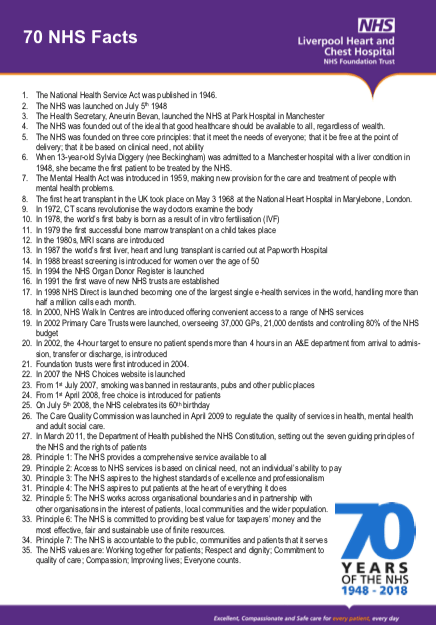
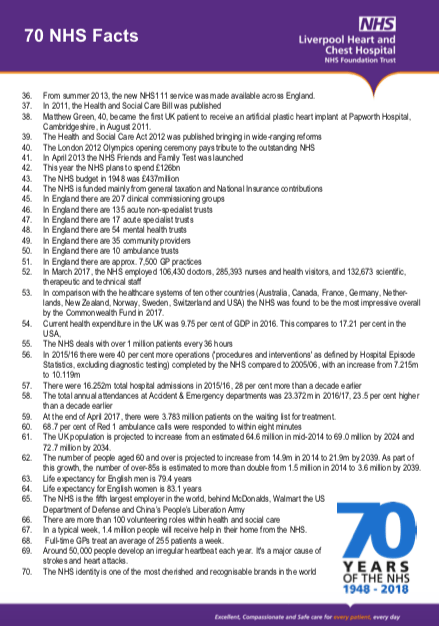
NHS Facts: The NHS is the largest employer in the UK and 5th largest in the world. NHS England is the UK’s biggest employer, closely followed by NHSScotland. The NHS employs a total of approximately 1.5 million people across England, Wales, Scotland and Northern Ireland.
I actually found a PDF that provided so much information about the NHS therefore added it here. Within this PDF it states the history of the NHS, and a variety of facts about the general information surrounding the NHS.
The reason I thought of looking into the negative side is because of experiences I have encountered. I have regular tablets where I have to have them for my well-being. I can never get an appointment for a check up and always have to get new tablets through the app as there are never appointments. My next appointment isn’t until February, whereas I have needed one since September. This led me onto the idea of patient waiting times and the issues surrounding that, which could potentially be an outcome for the group when we go back at Christmas. I then did a bunch of research based on patient waiting times.
The maximum waiting time for non-urgent, consultant-led treatments is 18 weeks from the day your appointment is booked through the NHS e-Referral Service, or when the hospital or service receives your referral letter. However, your right to an 18-week waiting time does not apply if: you choose to wait longer.
Maximum waiting times for non-urgent referrals
The maximum waiting time for non-urgent, consultant-led treatments is 18 weeks from the day your appointment is booked through the NHS e-Referral Service, or when the hospital or service receives your referral letter.
However, your right to an 18-week waiting time does not apply if:
- you choose to wait longer
- delaying the start of your treatment is in your best clinical interests, for example, when stopping smoking or losing weight first is likely to improve the outcome of your treatment
- it is clinically appropriate for your condition to be actively monitored in secondary care without clinical intervention or diagnostic procedures at that stage
- you fail to attend appointments that you had chosen from a set of reasonable options
- the treatment is no longer necessary
Maximum waiting times for urgent cancer referrals
The maximum waiting time for suspected cancer is 2 weeks from the day your appointment is booked through the NHS e-Referral Service, or when the hospital or service receives your referral letter.
Note: Referrals for investigations of breast symptoms, where cancer is not initially suspected, are not urgent referrals for suspected cancer and therefore fall outside the scope of this right.
You have the legal right to ask to be seen or treated by a different provider if you’re likely to wait longer than the maximum waiting time specified for your treatment.
The hospital or clinical commissioning group (CCG) will have to investigate and offer you a range of suitable alternative hospitals or clinics that would be able to see you sooner. If you’re not happy with the organisation’s response, you can complain by following the NHS complaints procedure.
Compare waiting times
Waiting times may vary between hospitals, and you should consider this when choosing a hospital.
When you’re referred for your first outpatient appointment, the NHS e-Referral Service lets you book the appointment at a hospital or clinic of your choice, on a date and at a time that suits you.
To compare waiting times for hospitals, use the Find hospitals page. Enter the surgical procedure in the procedure box, then the postcode or your preferred location in the location box.
Note: Waiting times shown are for the specialty or service that the procedure sits under as a whole. For example, if you search for hip replacement, you will find the waiting time for Trauma and Orthopaedic patients at that hospital.
The length of time you wait will depend on your specific treatment and clinical needs, and you could be seen quicker or wait longer than the waiting time shown.
taken from: https://www.nhs.uk/using-the-nhs/nhs-services/hospitals/guide-to-nhs-waiting-times-in-england/
If you’re referred for a physical or mental health condition, you have the legal right to start non-urgent consultant-led treatment, or be seen by a specialist for suspected cancer, within maximum waiting times.
This right only applies to services commissioned by the NHS in England and does not include public health services commissioned by local authorities, maternity services, or non-consultant-led mental health services.
Find out more about access and waiting times for mental health services.
Your waiting time starts from when the hospital or service receives your referral letter, or when you book your first appointment through the NHS e-Referral Service.
During this time period, you may:
- have tests, scans or other procedures to help ensure that your treatment is appropriate for your condition
- have medicine or therapy to manage your symptoms until you start treatment
- be referred to another consultant or department
Your waiting time ends if a clinician decides no treatment is necessary, if you decide you do not want to be treated, or when your treatment begins.
This could include:
- being admitted to hospital for an operation or treatment
- starting treatment that does not require you to stay in hospital, such as taking medicine
- beginning fitting for a medical device, such as leg braces
- agreeing to have your condition monitored for a time to see whether you need further treatment
- receiving advice from hospital staff about how to manage your condition
Tip: Did you know that in most cases you have the legal right to choose the hospital or service you’d like to go to, as well as the clinical team led by a consultant or named healthcare professional?
For more information, see our guidance on NHS hospital services and accessing mental health service.
Maximum waiting times for non-urgent referrals
The maximum waiting time for non-urgent, consultant-led treatments is 18 weeks from the day your appointment is booked through the NHS e-Referral Service, or when the hospital or service receives your referral letter.
However, your right to an 18-week waiting time does not apply if:
- you choose to wait longer
- delaying the start of your treatment is in your best clinical interests, for example, when stopping smoking or losing weight first is likely to improve the outcome of your treatment
- it is clinically appropriate for your condition to be actively monitored in secondary care without clinical intervention or diagnostic procedures at that stage
- you fail to attend appointments that you had chosen from a set of reasonable options
- the treatment is no longer necessary
 ktwilliamsdesigns4BA