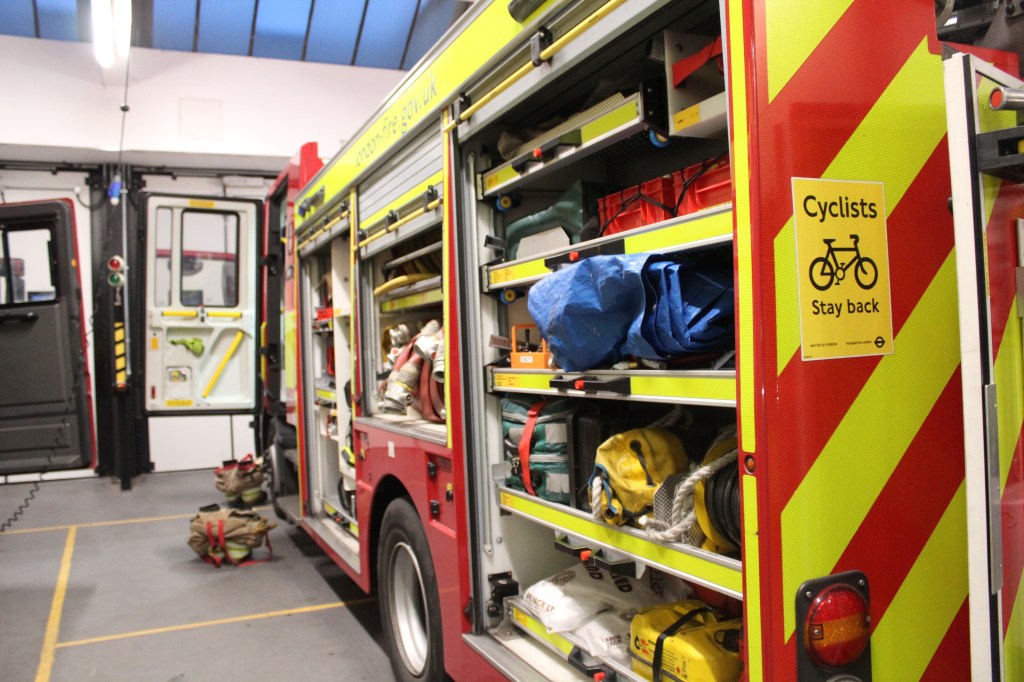
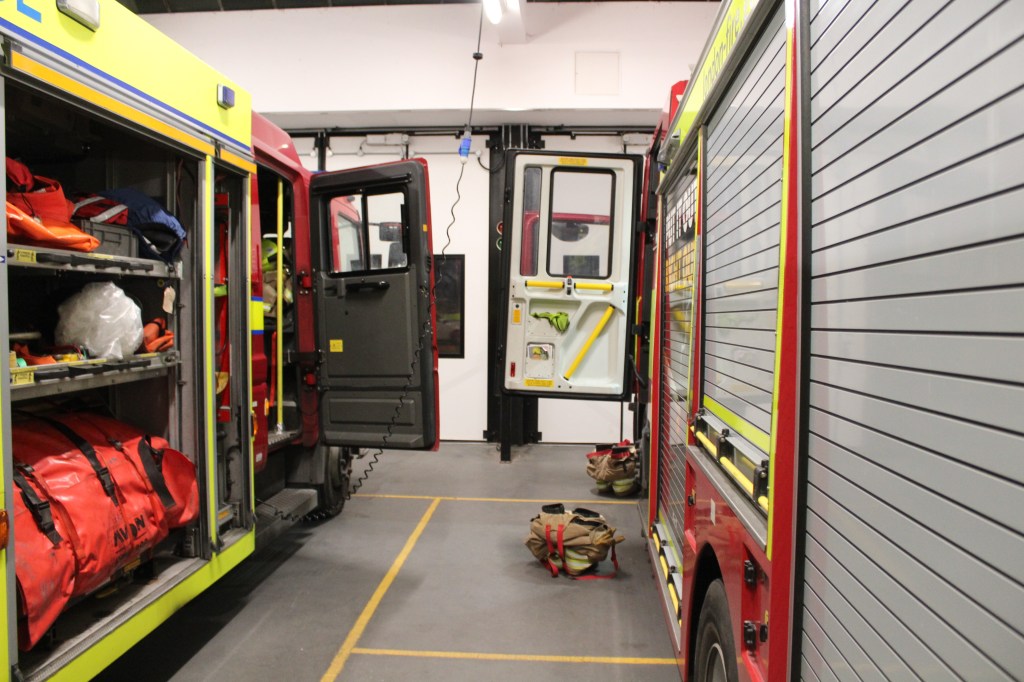
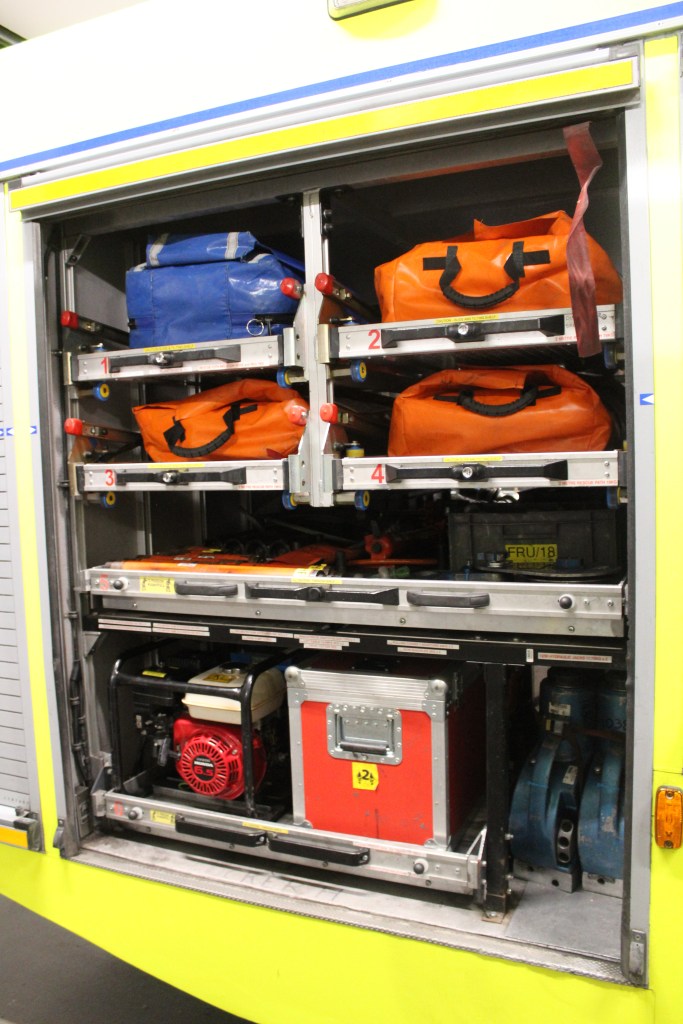
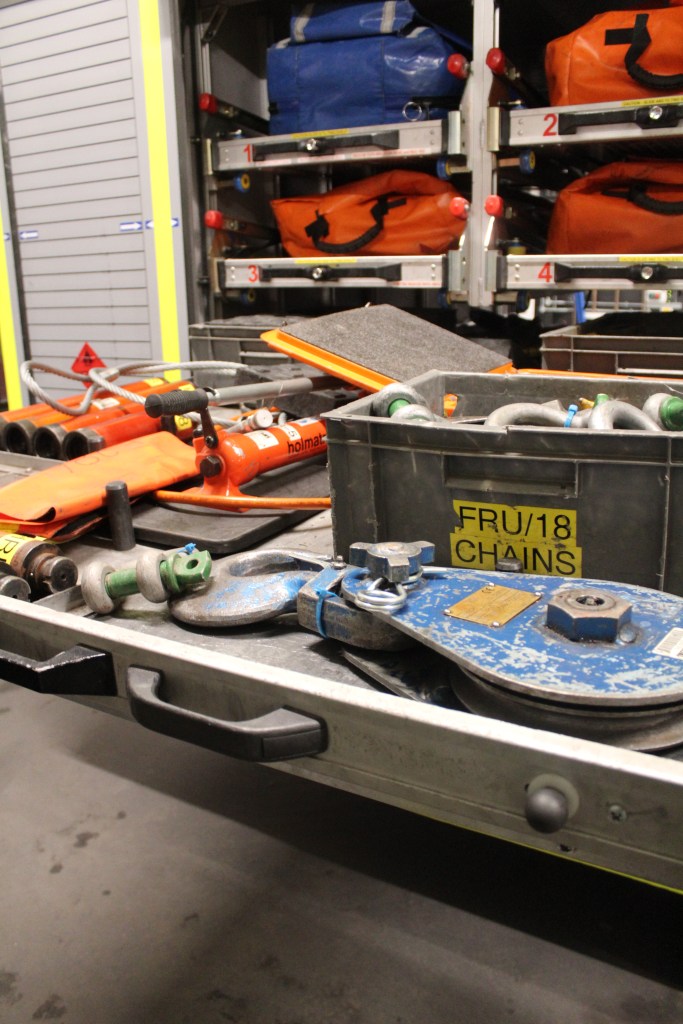
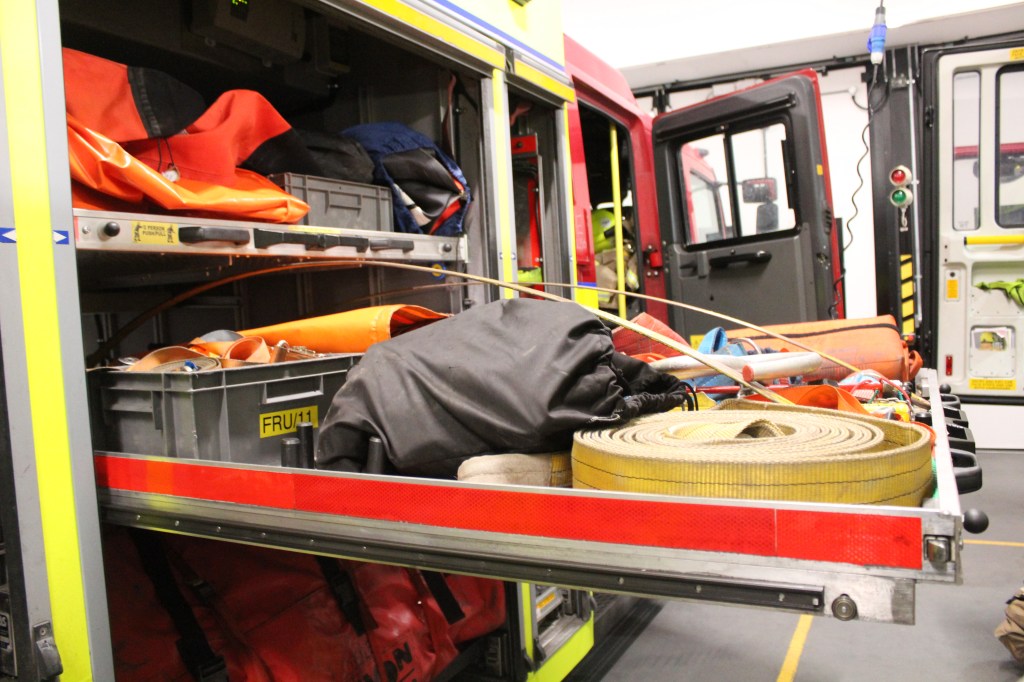
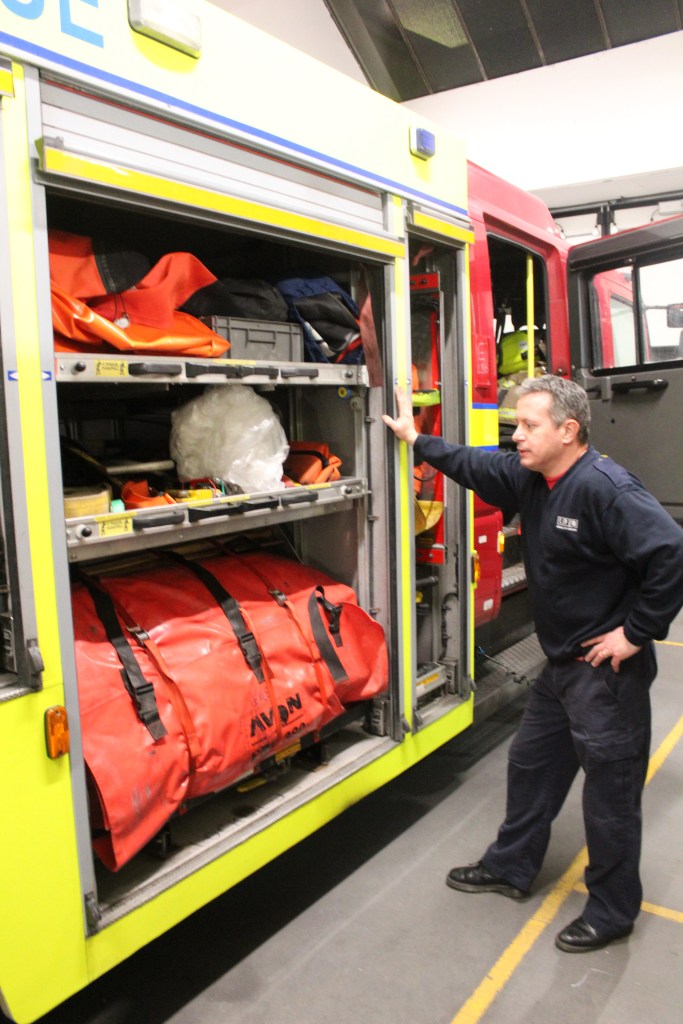
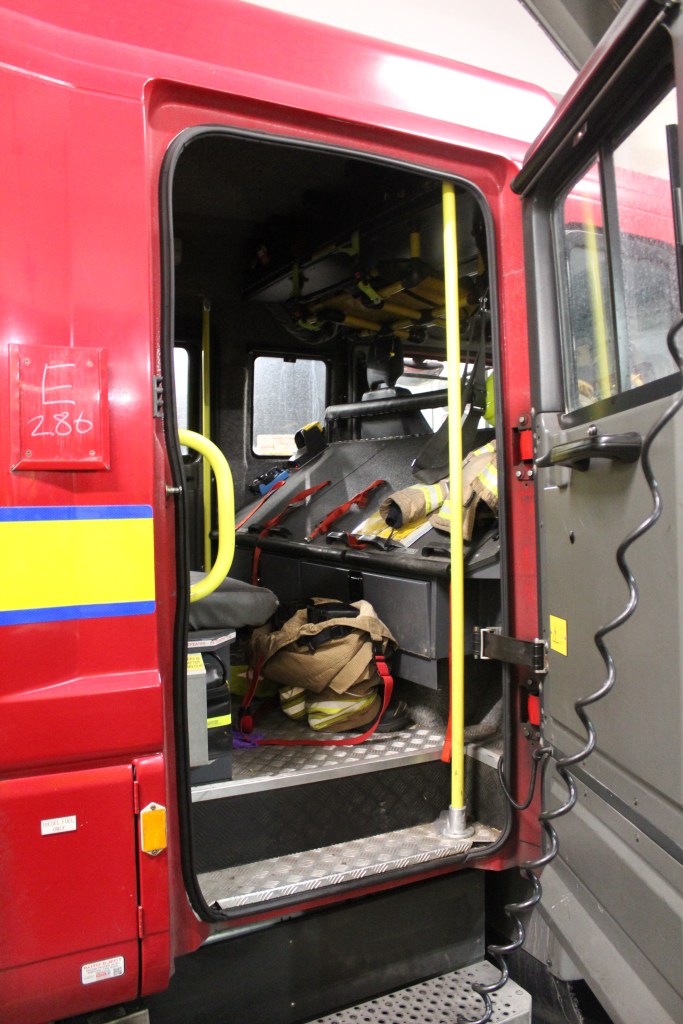
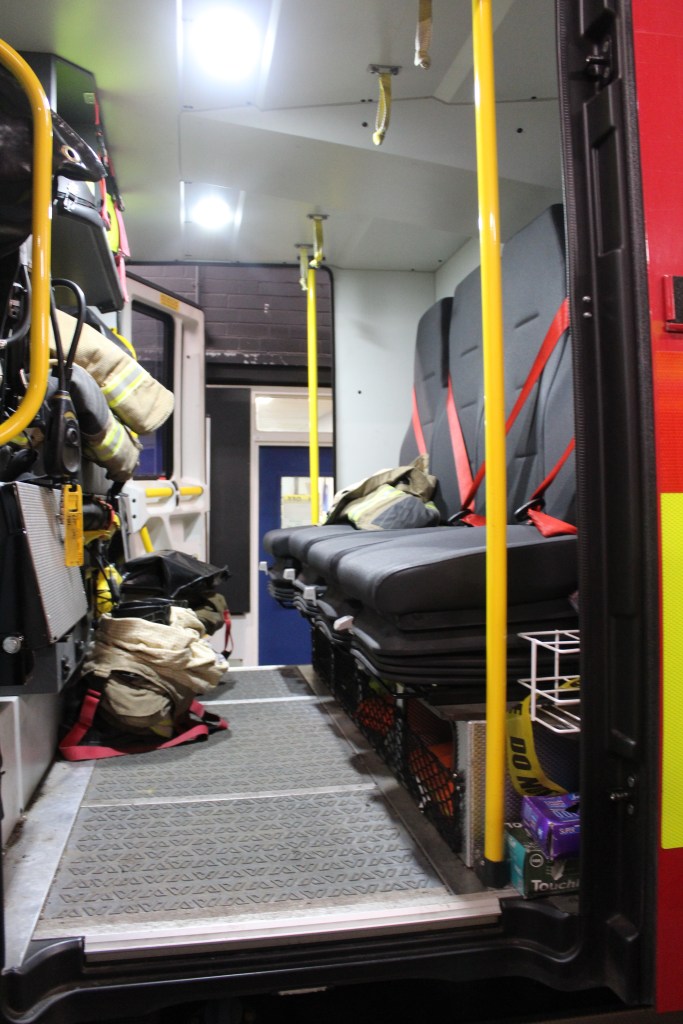
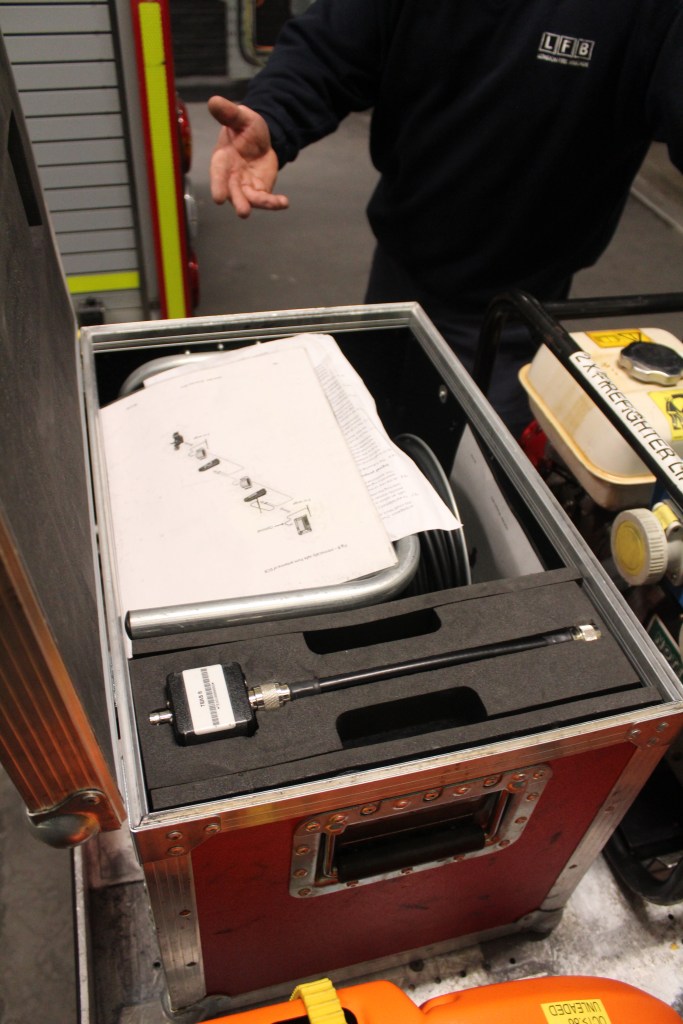
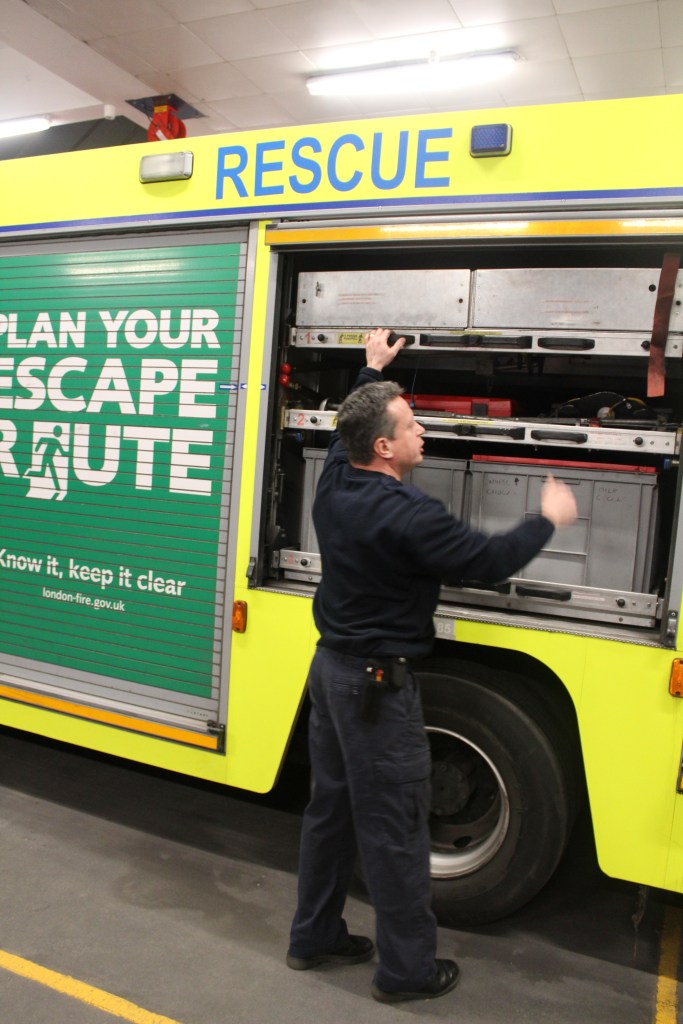
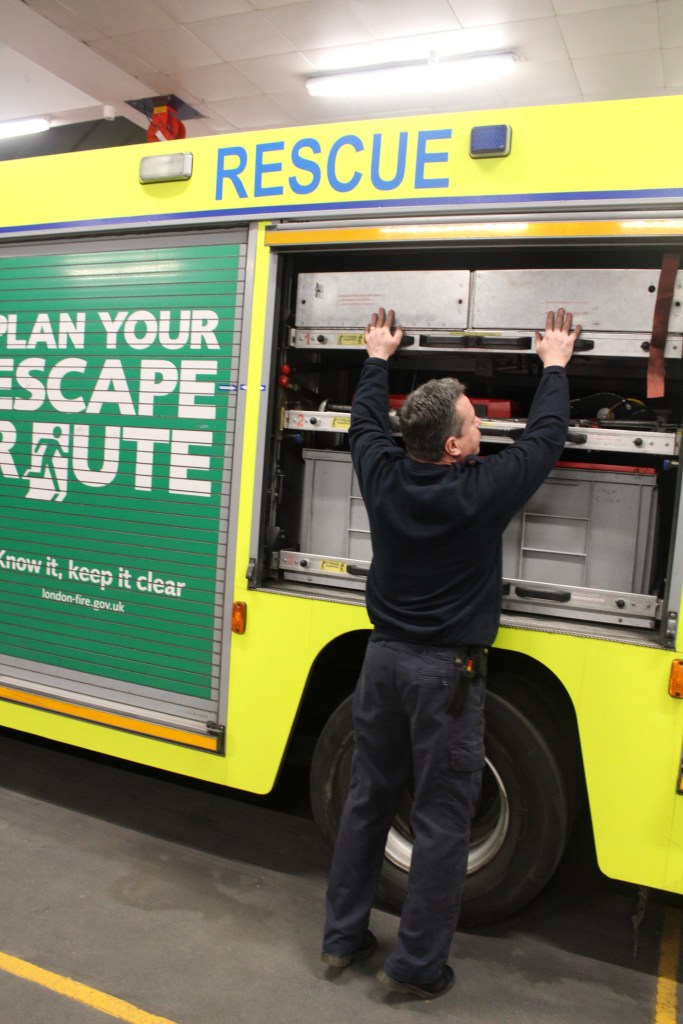
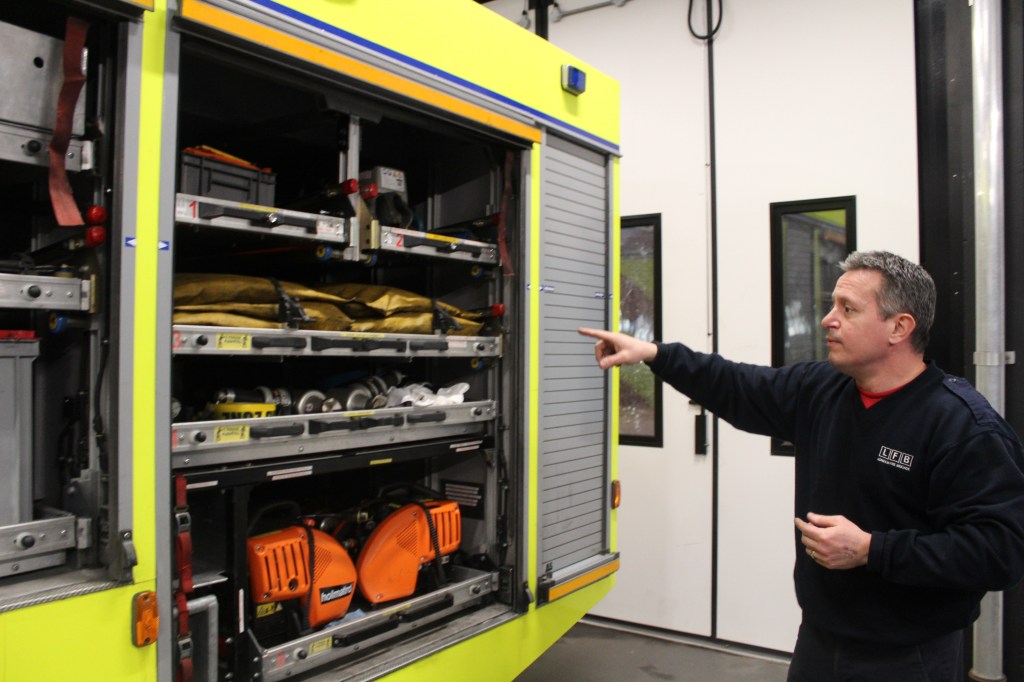
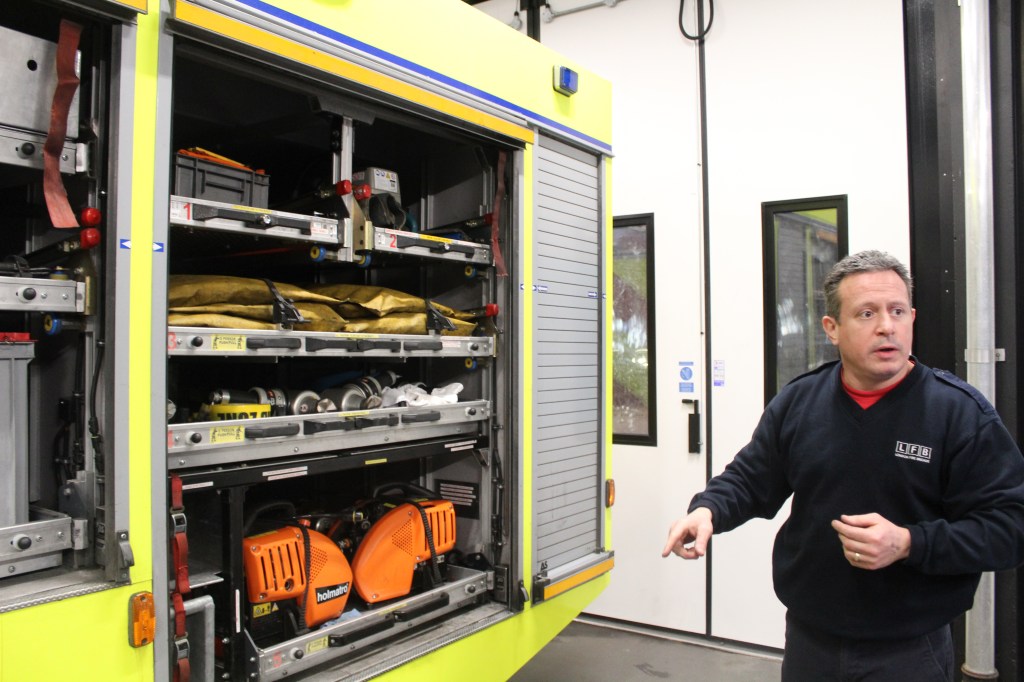
Even though I went on trip for me I had to do my own set of research to ensure I was creating a final that portrayed the right information and the correct outcome to educate the sedentary schools kids – and also educate myself. At first all the information provided is from LFB website than I went into further information from alternative websites. This blog focuses on mainly the general equipment.
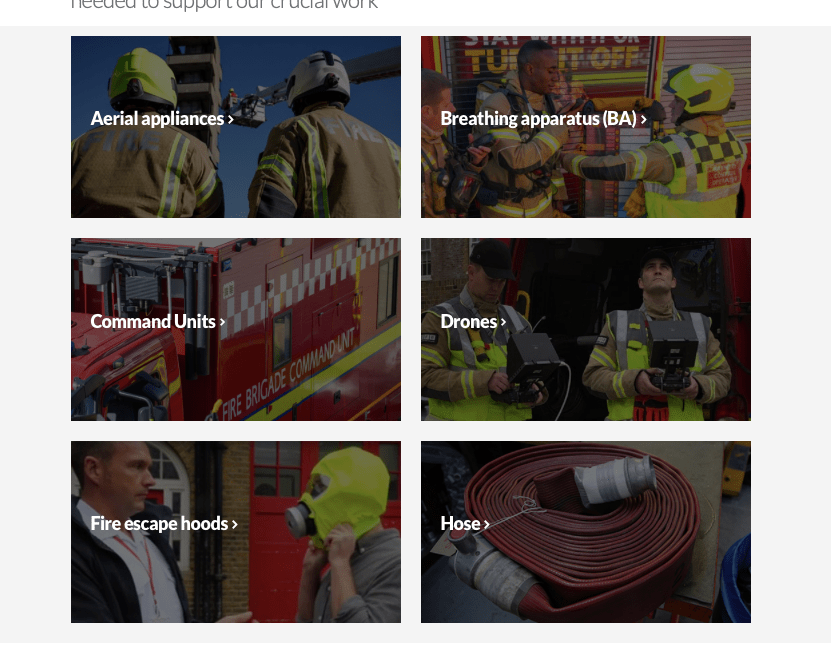
LFB general information: subcategories
https://www.london-fire.gov.uk/about-us/services-and-facilities/
Services and Facilities
“What does London Fire Brigade do? Who do we help and how? Our services are as diverse as the city we serve…”
Vehicles and equipment:
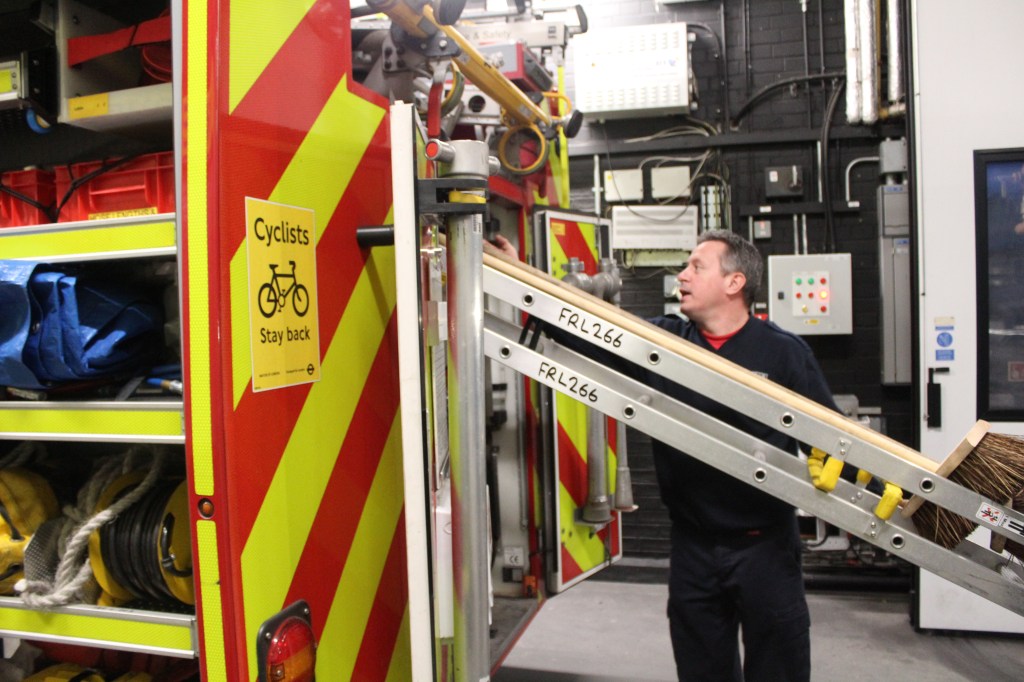
Aerial Appliances:
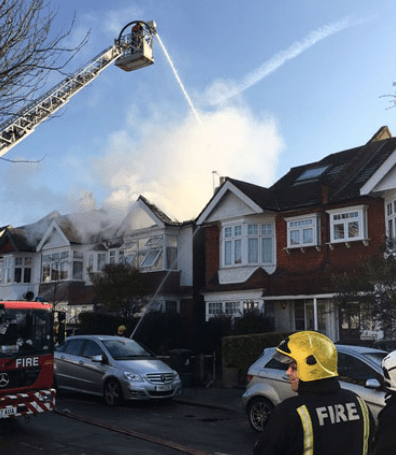
The fire fighter service have 11 frontline aerial applicants. They reach from 22 to 32 metres tall.
Three types of aerial appliance
- Four turntable ladders
- Seven aerial Ladder Platforms
- Four hydraulic platforms in reserve
What they are used for?
Aerial appliances can be used for a range of tasks including delivering water from height onto a fire, as an observation platform, providing lighting and in certain cases rescuing people from height.
Aerial appliances aren’t usually used for firefighting in high rise buildings where people live because firefighters use the fire safety measures and equipment inside the building. If aerial appliances are sent to an incident they are not used until we know that any people still inside the building are out of the way of the jets of water. The hoses can pump 2,400 litres of water a minute – that’s seven baths full of water every 60 seconds.
Turntable ladders
Turntable ladders have large telescopic ladders that can, in good conditions, reach up to 32 metres – that’s about the tenth floor of a typical high-rise building. Turntable ladders have a cage at the top where firefighters can direct a hose from or reach people that need to be rescued.
Aerial ladder platforms (ALP)
Aerial ladder platforms or ALP are the most manoeuvrable of our aerial appliances. ALPs can extend in different directions, unlike the turntable ladder which can extend in one direction, but be turned. The ALP can deliver water onto a fire at height and also provide a stable platform for carrying out a variety of operations or when appropriate or safe to do so rescuing people.
Hydraulic platforms
A hydraulic platform is like a big crane with a caged platform at the top. We use them to deliver water from above a fire or rescue people at height – most commonly injured builders on scaffolding.
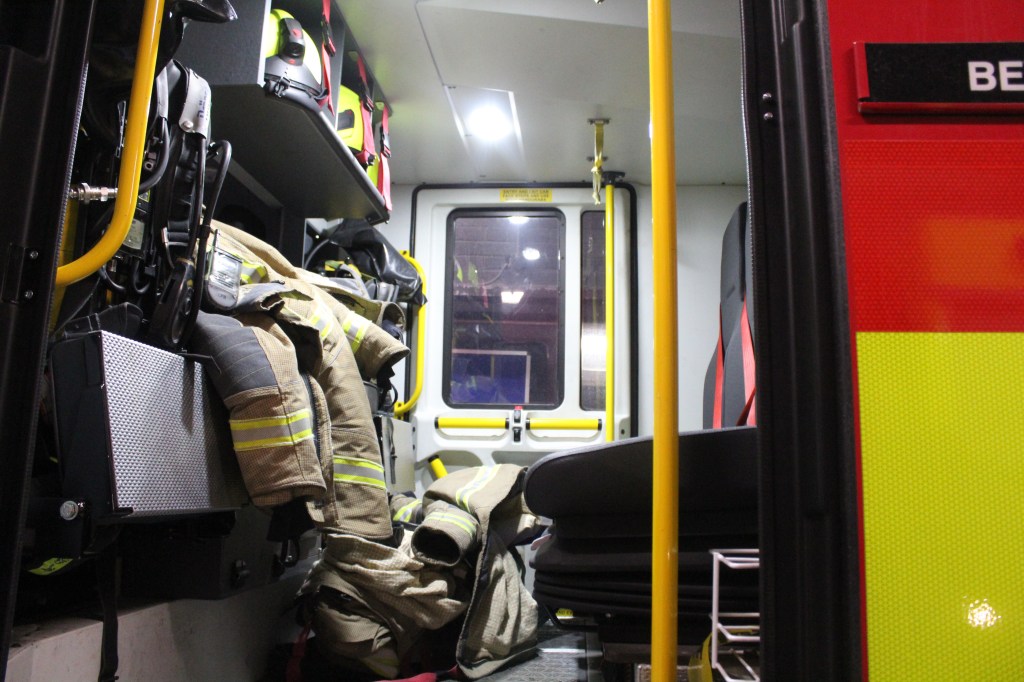
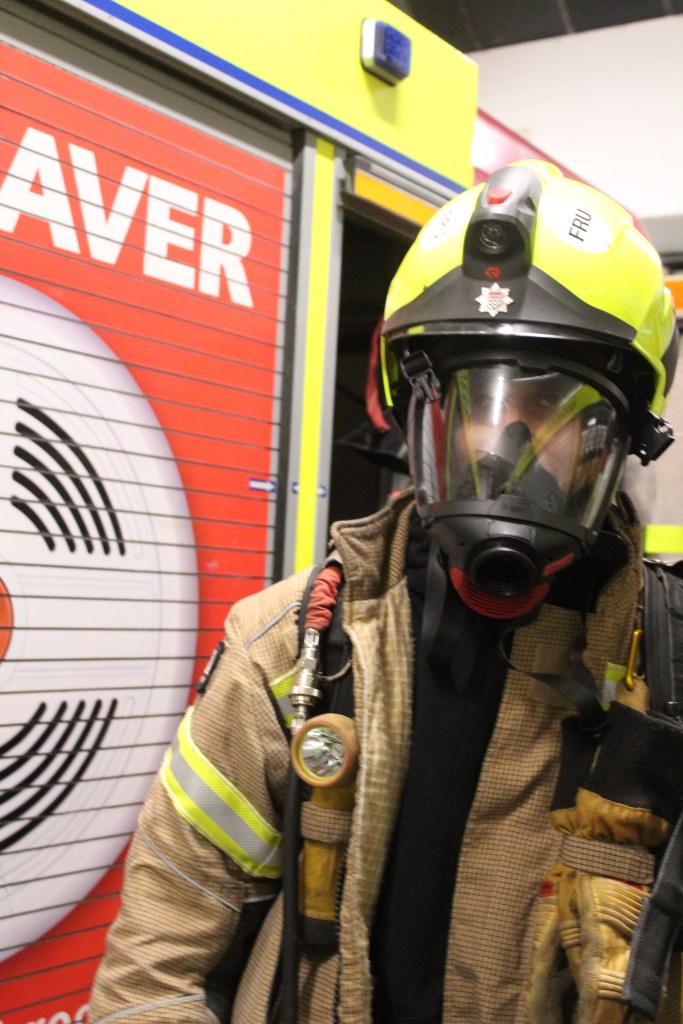
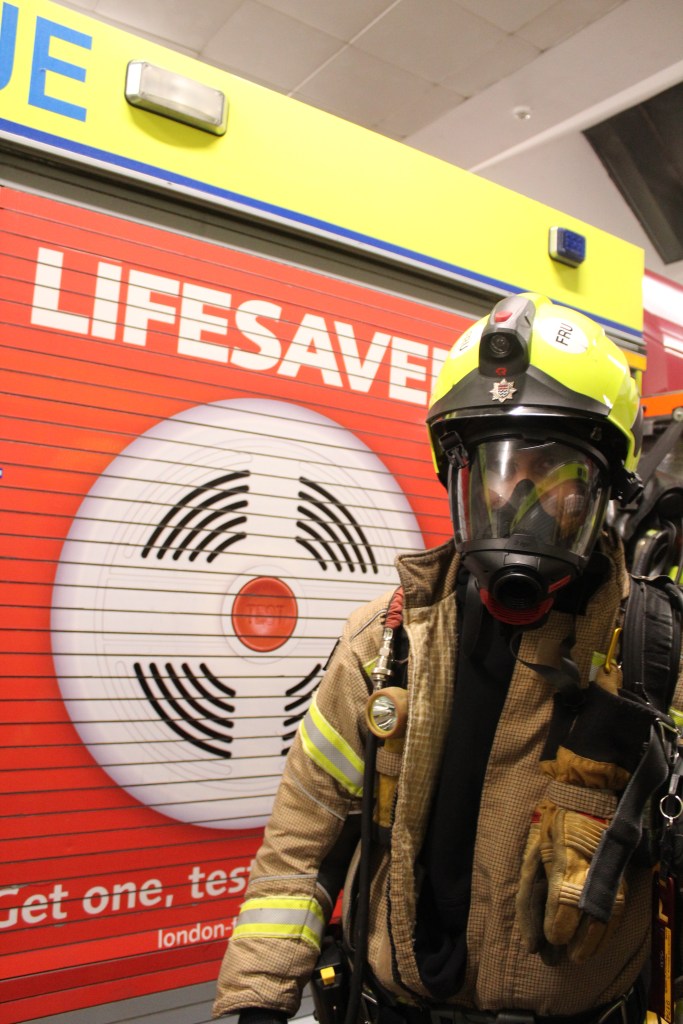
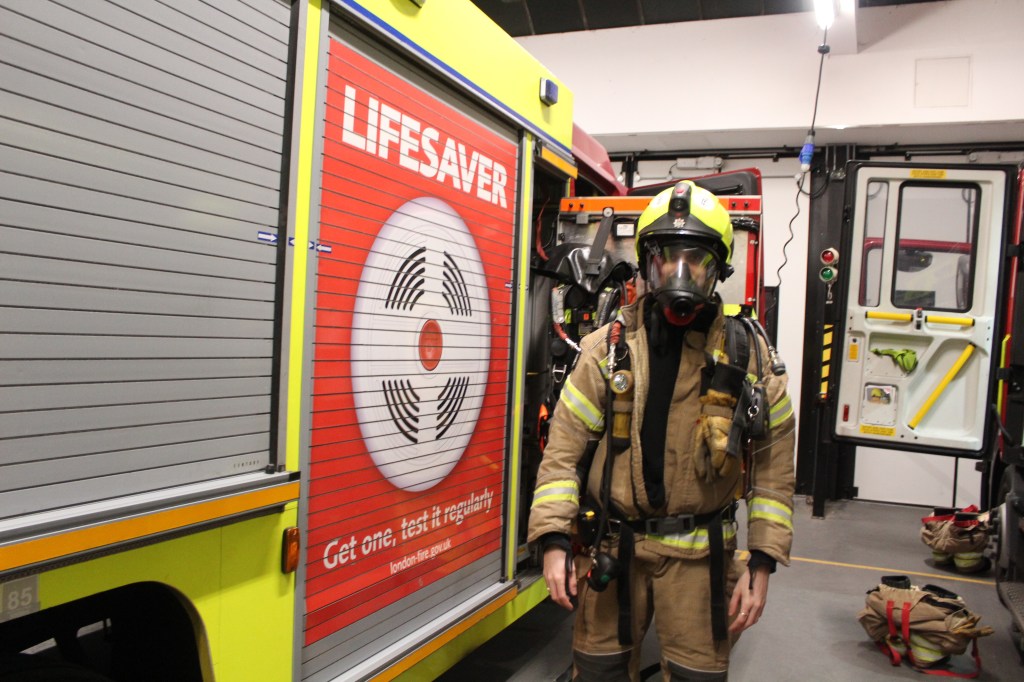
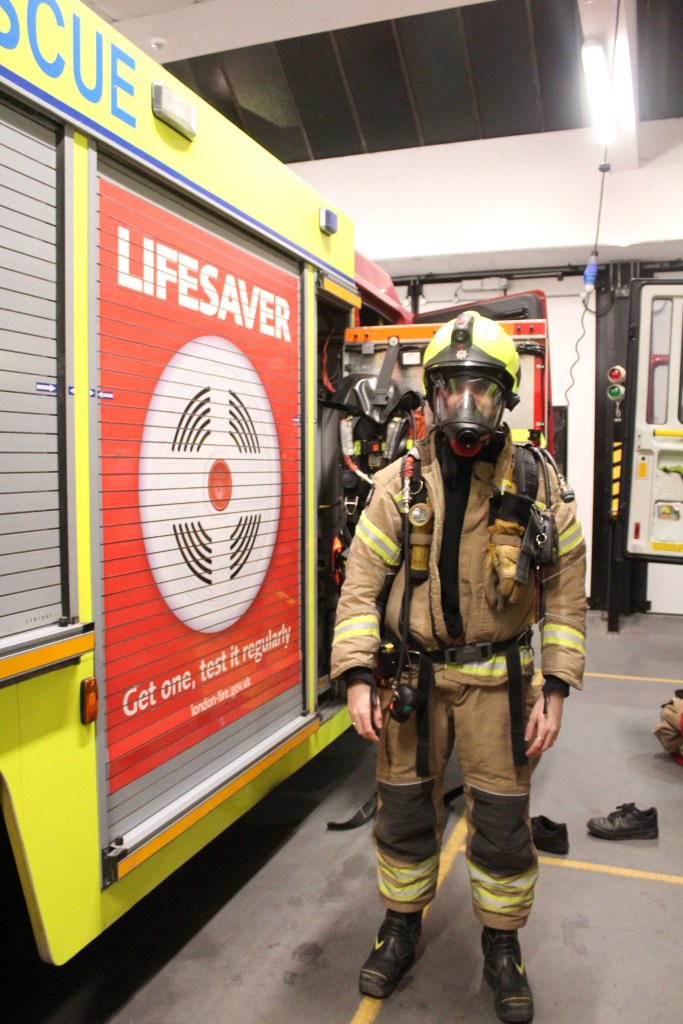
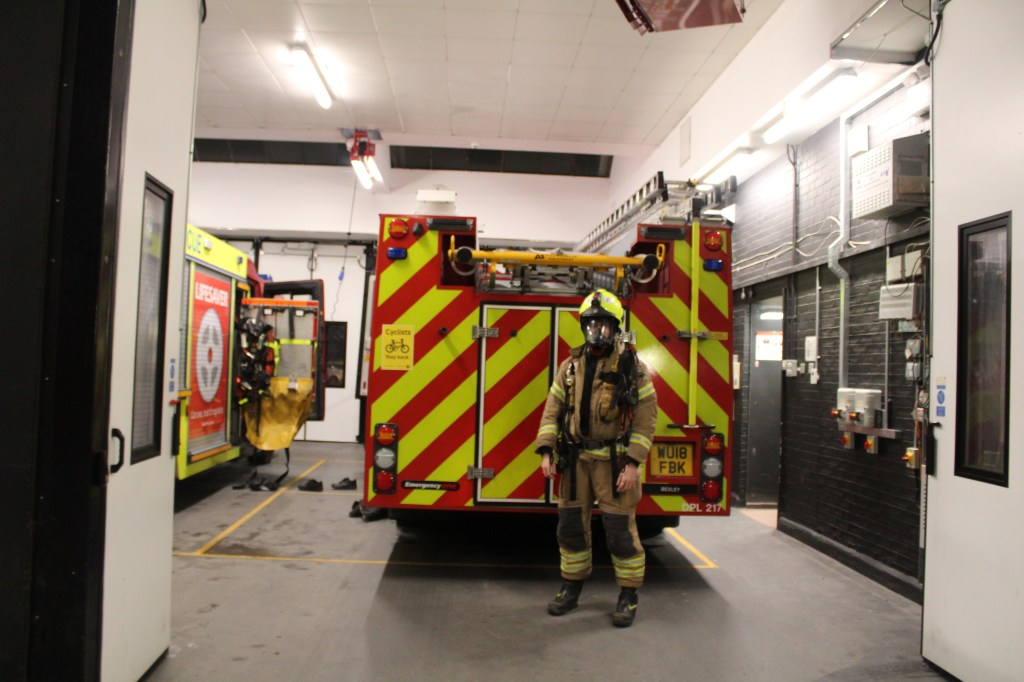
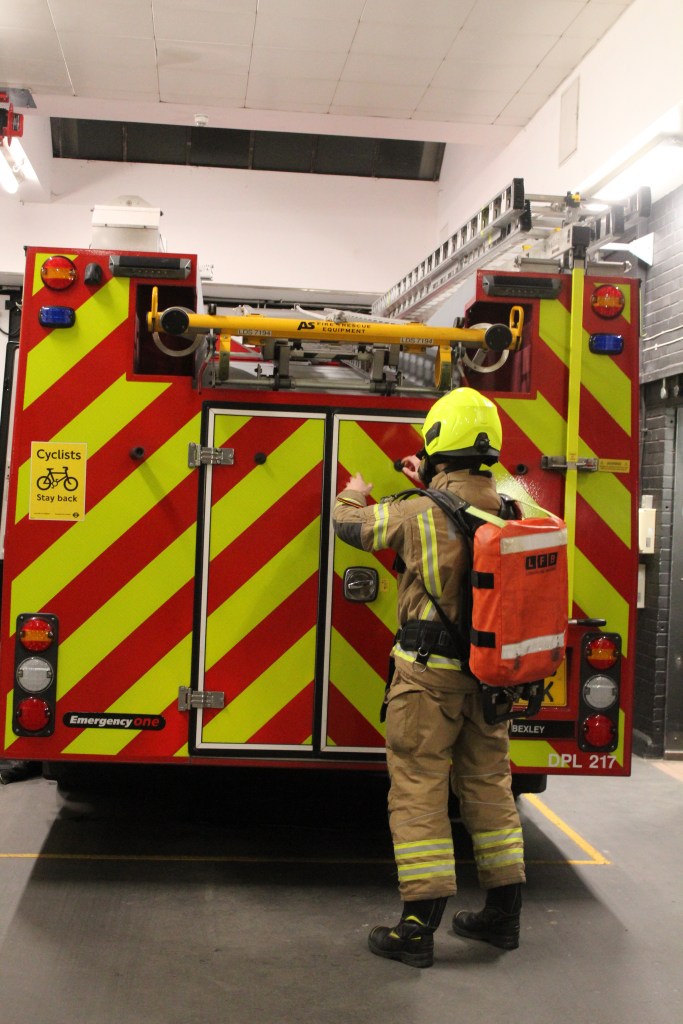
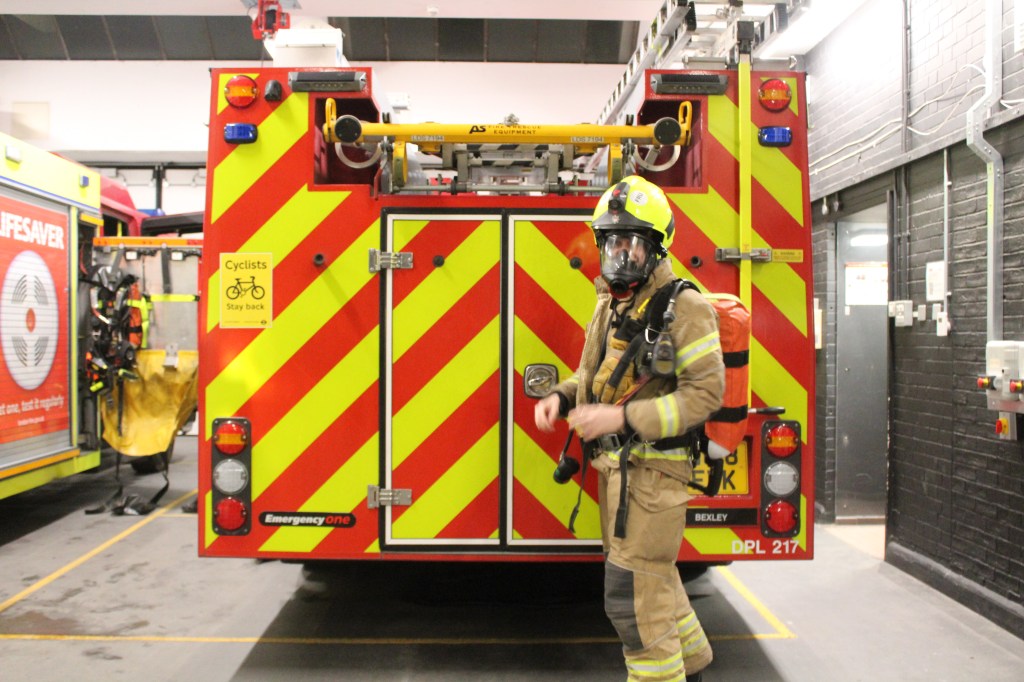
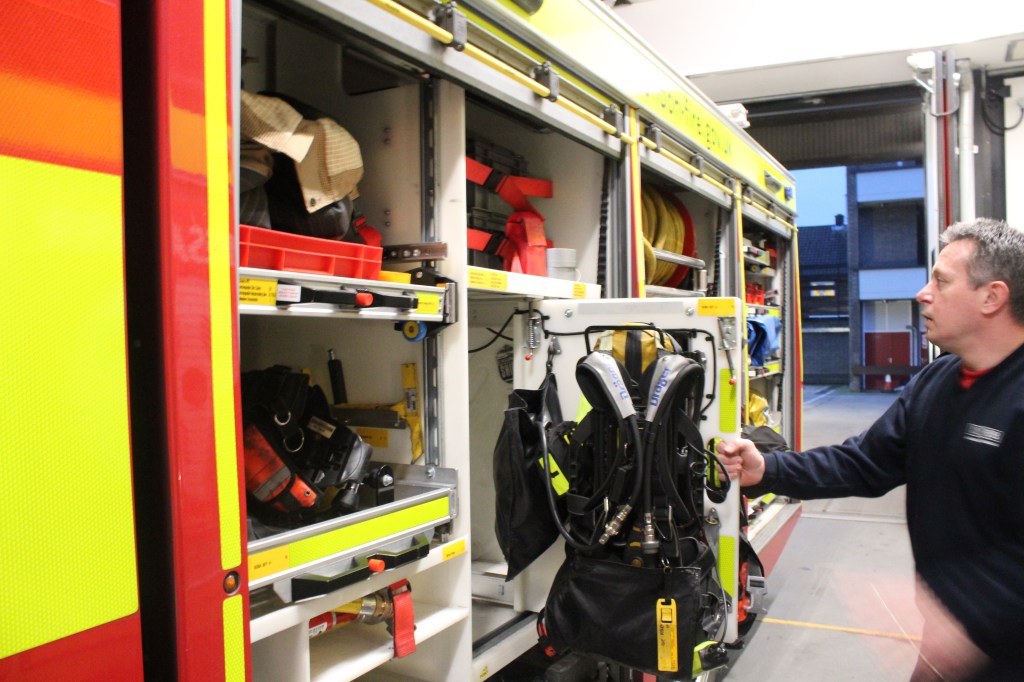
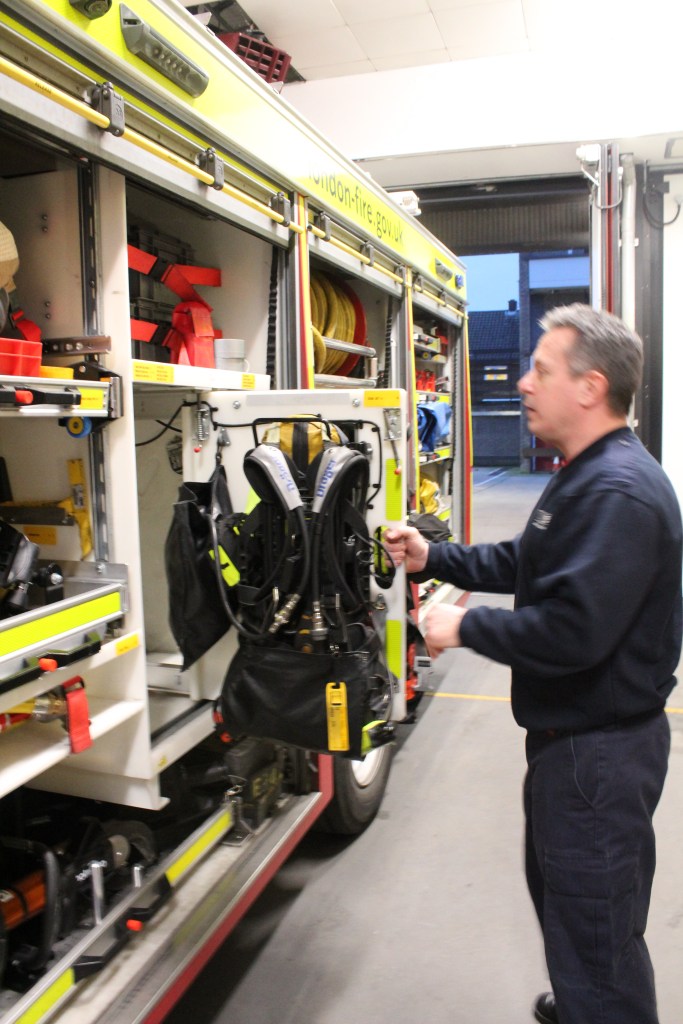
BA (Breathing Apparatus)
“Helps us to work in places where the air isn’t breathable.”
Breathing apparatus is a key piece of equipment for firefighters across the world.
Our breathing apparatus consists of one or two oxygen cylinders and an oxygen mask that securely covers the whole face. Since the 1960s we have been using compressed air breathing sets. The sets we use today are lighter, and last a lot longer than the ones from the 60s
When do fire fighters use BA equipment: Firefighters will pull on a BA set anytime they are entering a situation where the atmosphere might cause difficulty breathing. That could be anything from a smoky building, to an incident where chemicals have been spilled.
How much does BA set hold?
London Fire Brigade currently has two different types of BA. Each set lets firefighters breath oxygen for different lengths of time.
- Standard duration Breathing Apparatus
- Extended Duration Breathing Apparatus
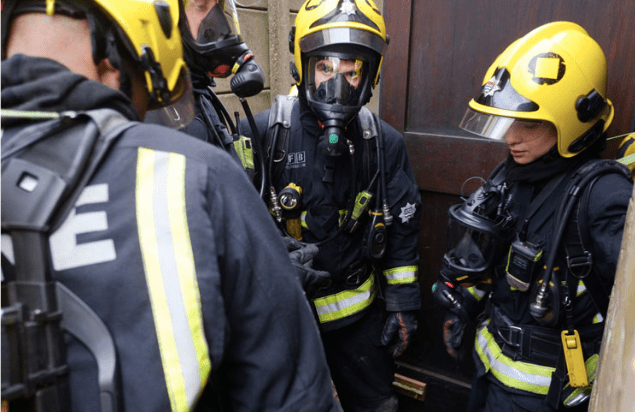
Standard Duration Breathing Apparatus (SDBA)
Standard duration breathing apparatus has only one cylinder – all our firefighters are trained to use SDBA and all our fire engines carry them. The set weighs about 15kgs.
If a firefighter is breathing normally a SDBA they should get 31 minutes of air. But, if the firefighter is working really hard and breathing really hard, the cylinder won’t necessarily last that long.
Extended Duration Breathing Apparatus (EDBA)
To use extended duration breathing apparatus firefighters must complete specialist training. EDBA sets have two cylinders, so they weigh a bit more than a SDBA – 23kgs.
If a firefighter is breathing normally an EDBA they should get 47 minutes of air. But, if the firefighter is breathing heavily, the cylinder won’t necessarily last for 47 minutes.
EDBA is usually brought out when firefighters have to travel longer distances using breathing apparatus, like a train stuck in a tunnel.
How do you keep track of everyone using BA?
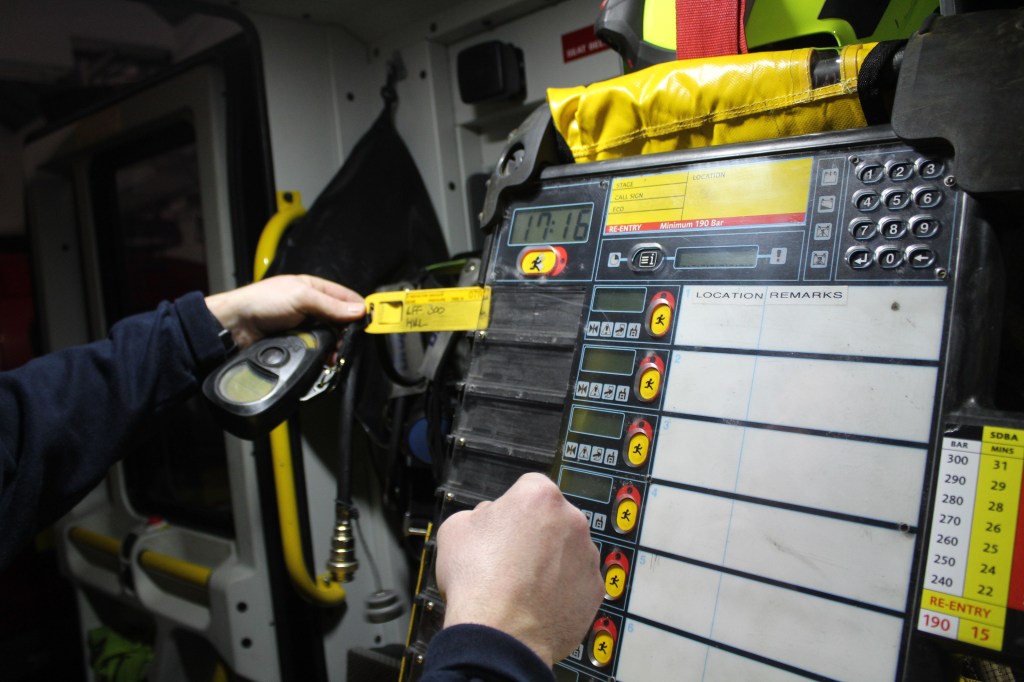
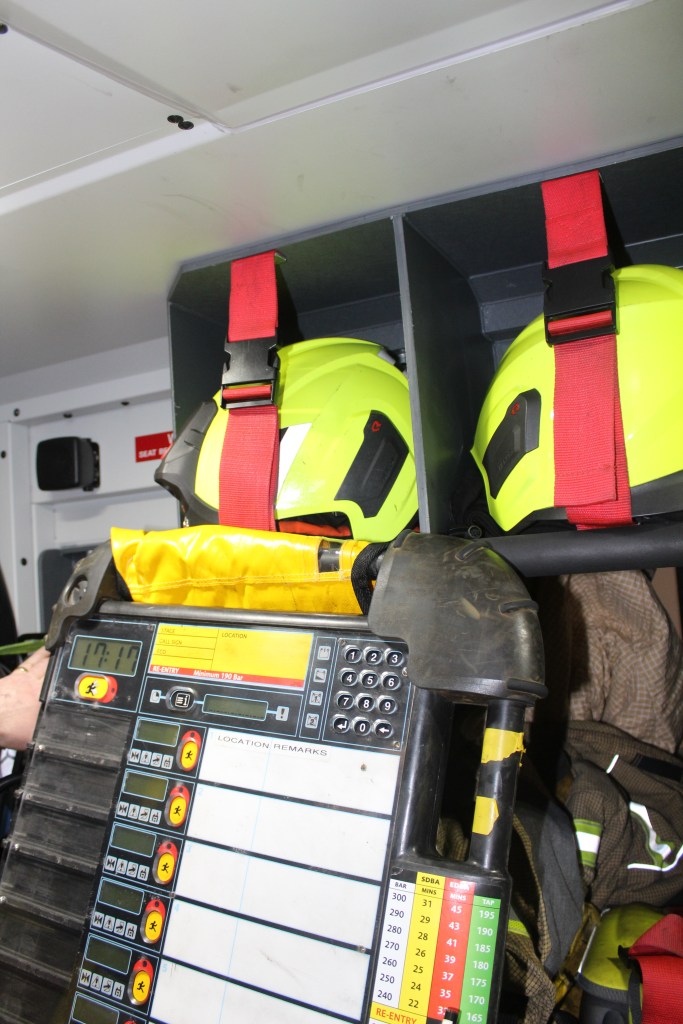
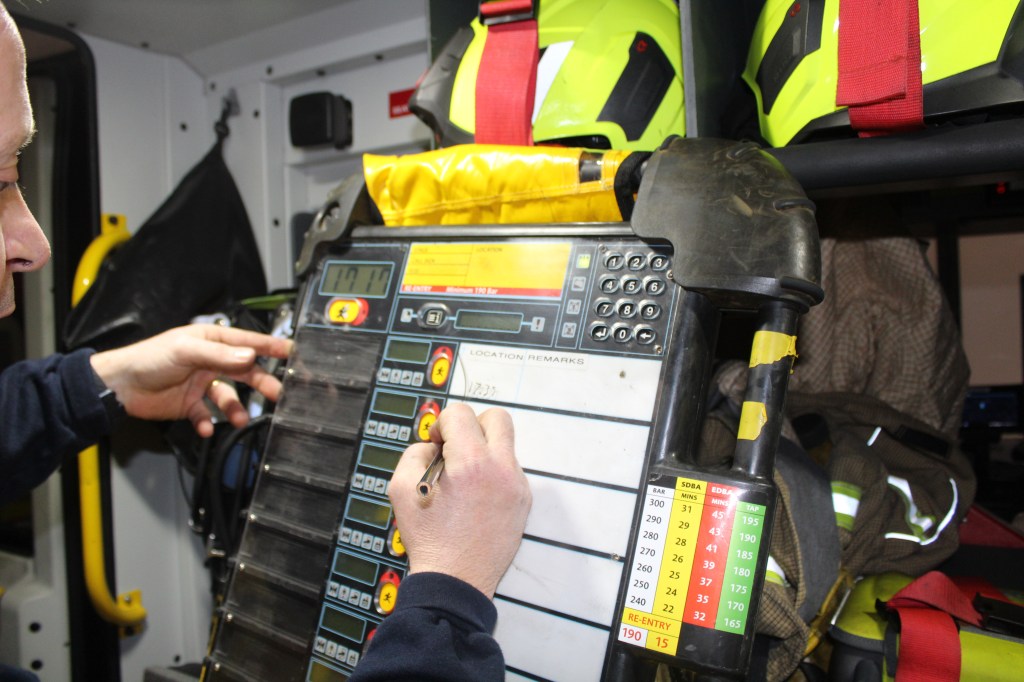
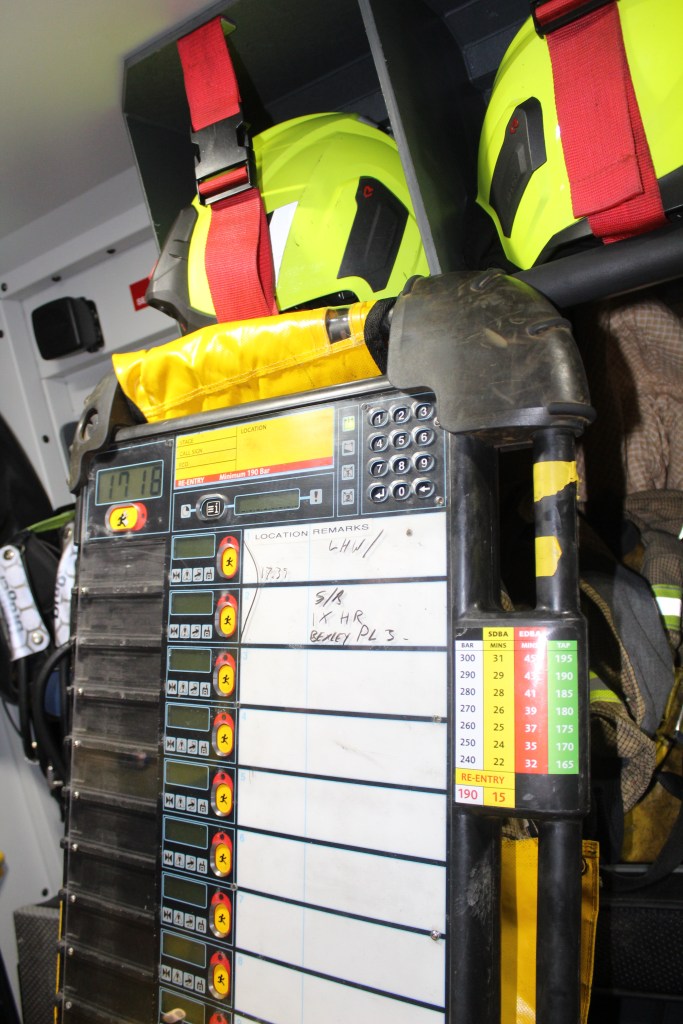
Whenever firefighters are using breathing apparatus we set up a Breathing Apparatus Entry Control (BAEC). This system lets us track who’s gone into a building with BA and who’s come out – we always go in as a pair and come out as a pair. We mark this information down on an entry control board (ECB).
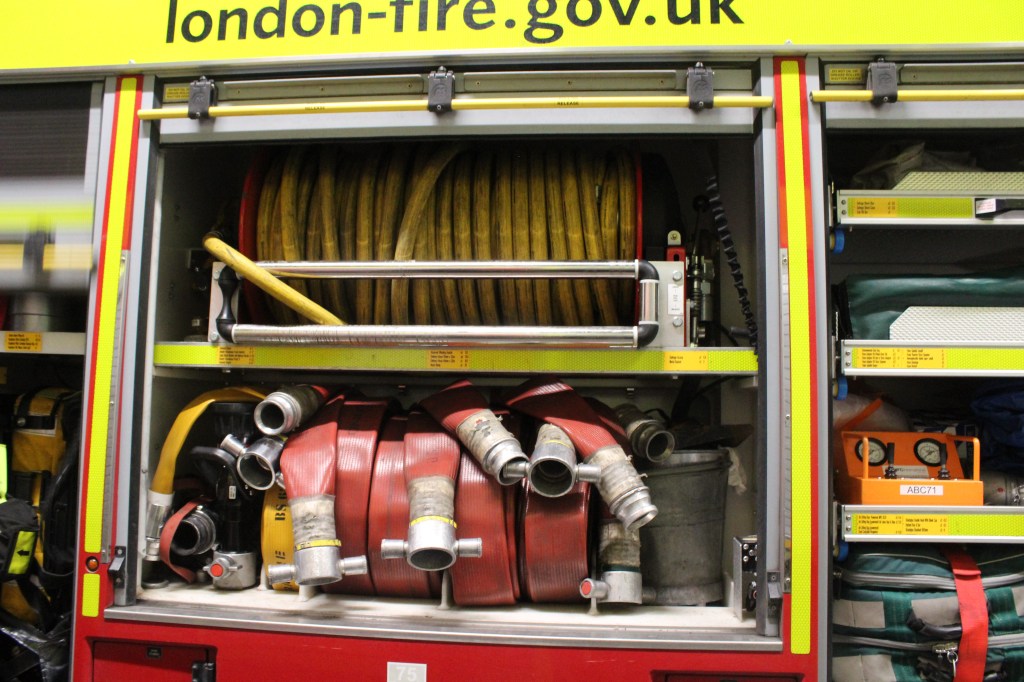
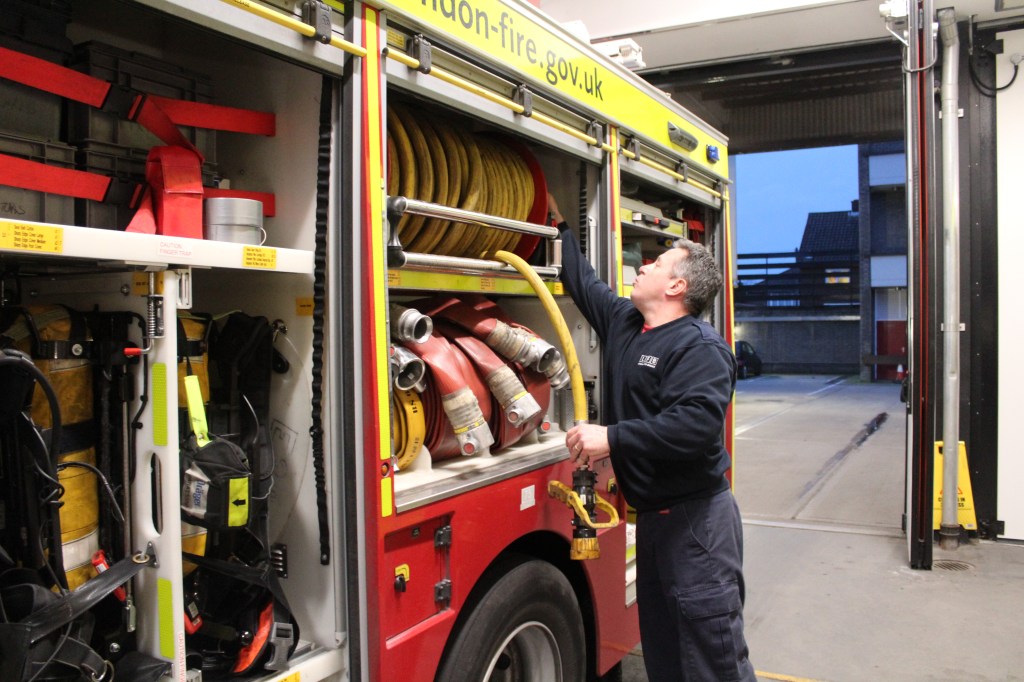
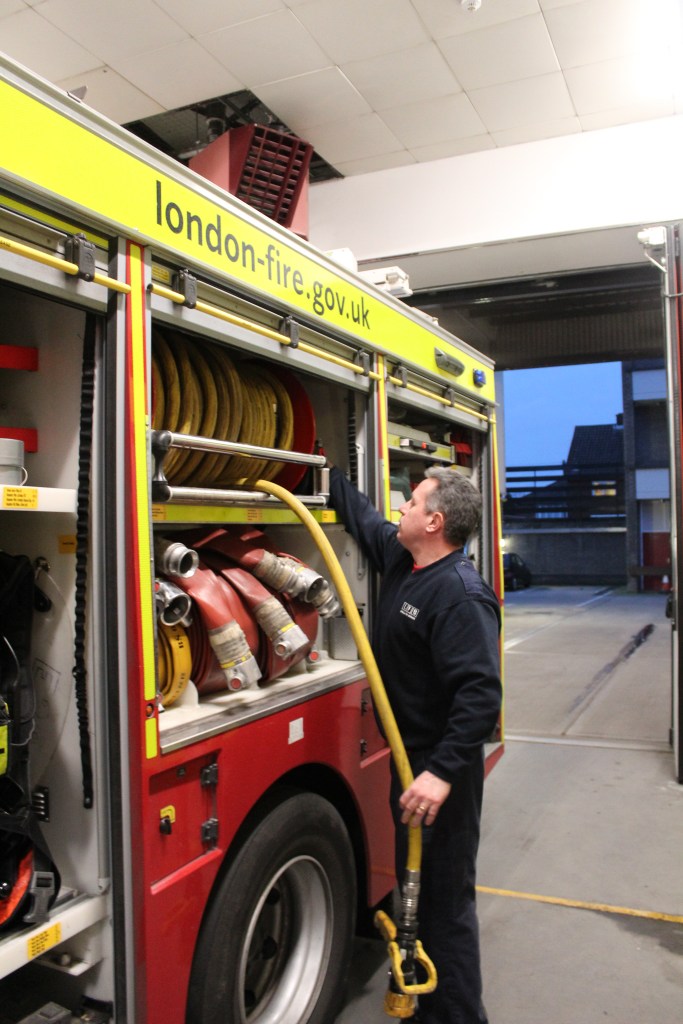
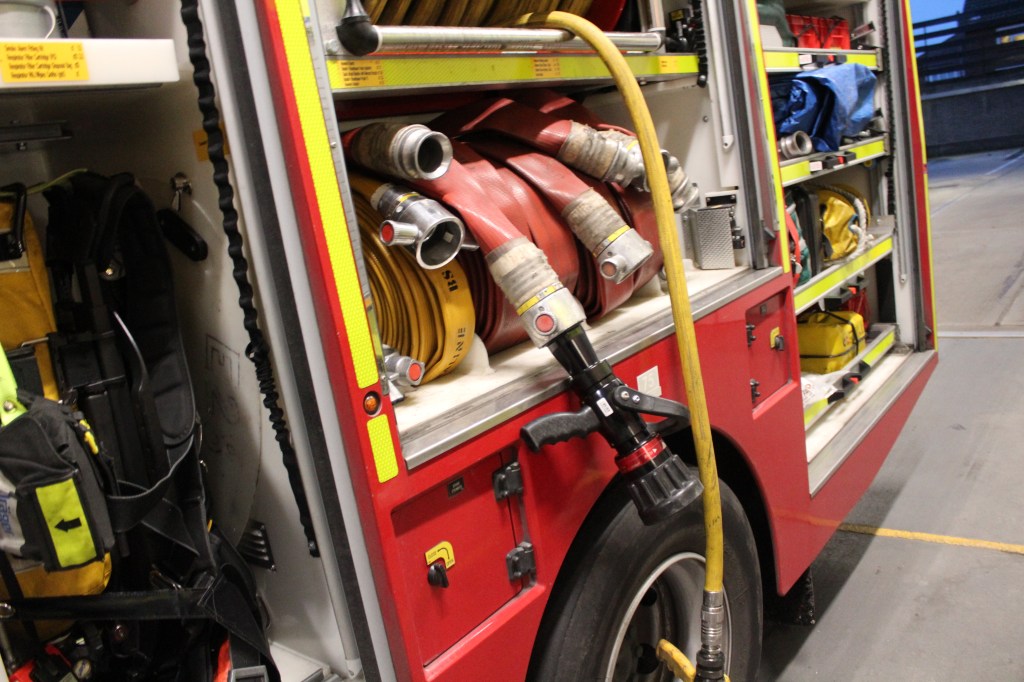
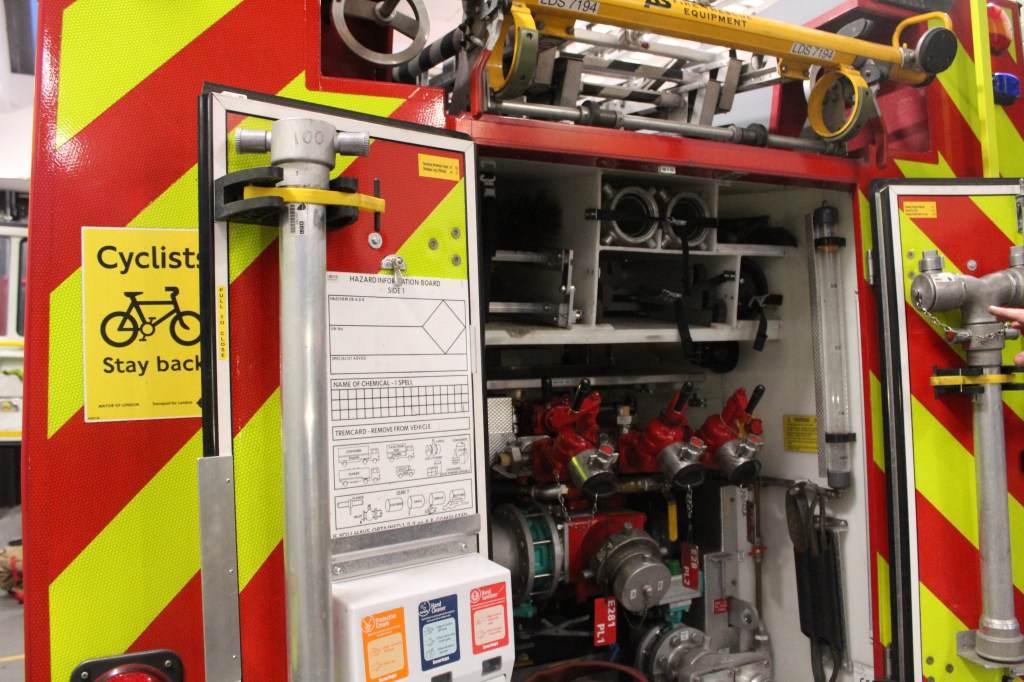
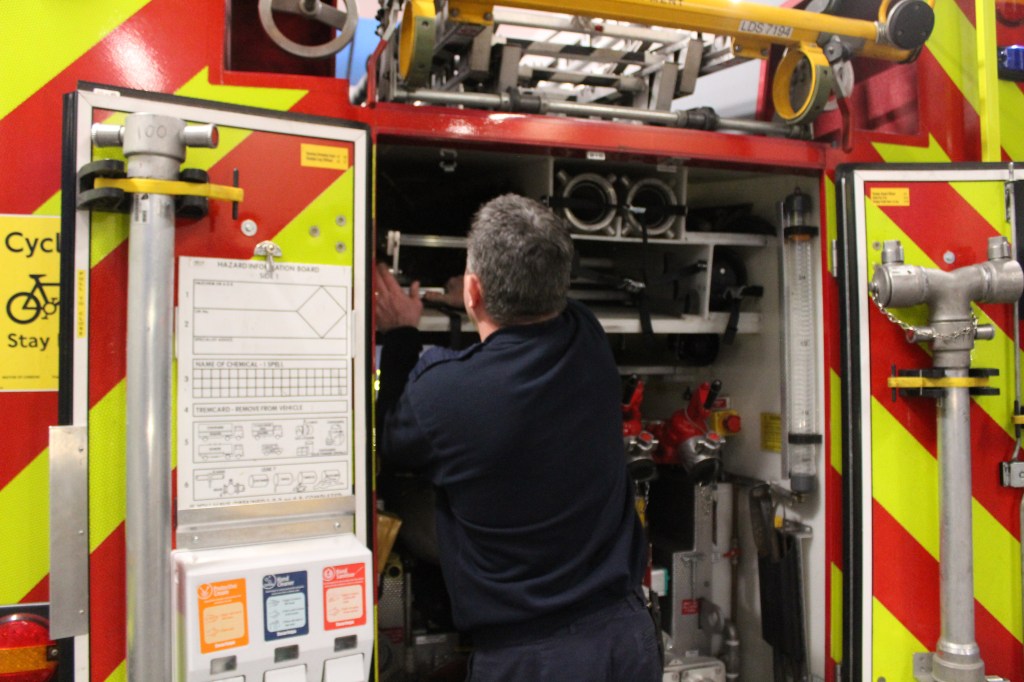
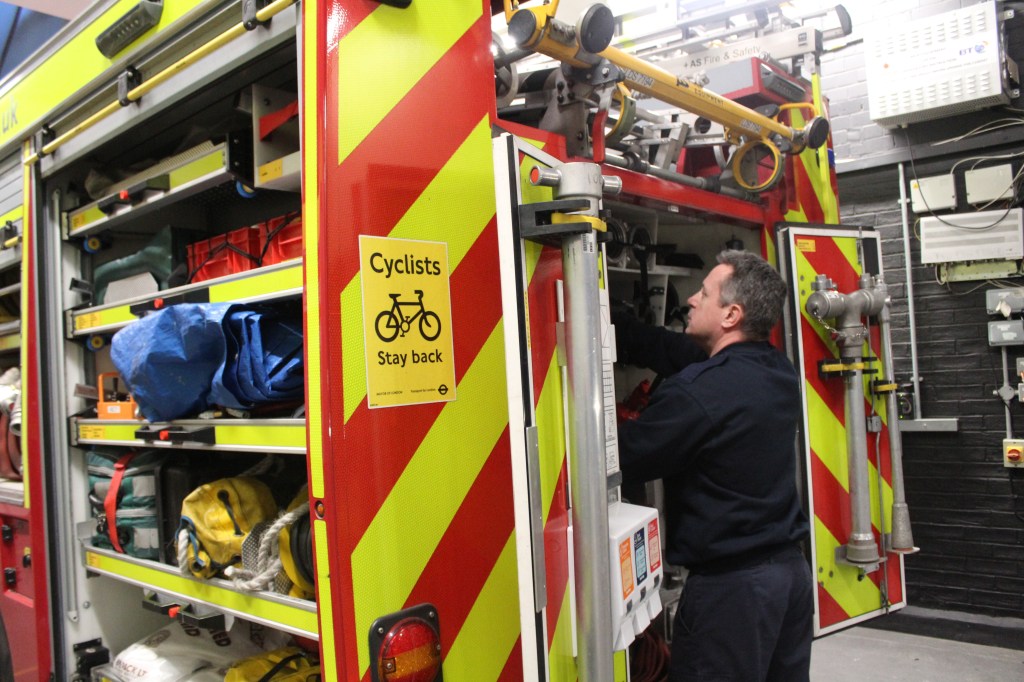
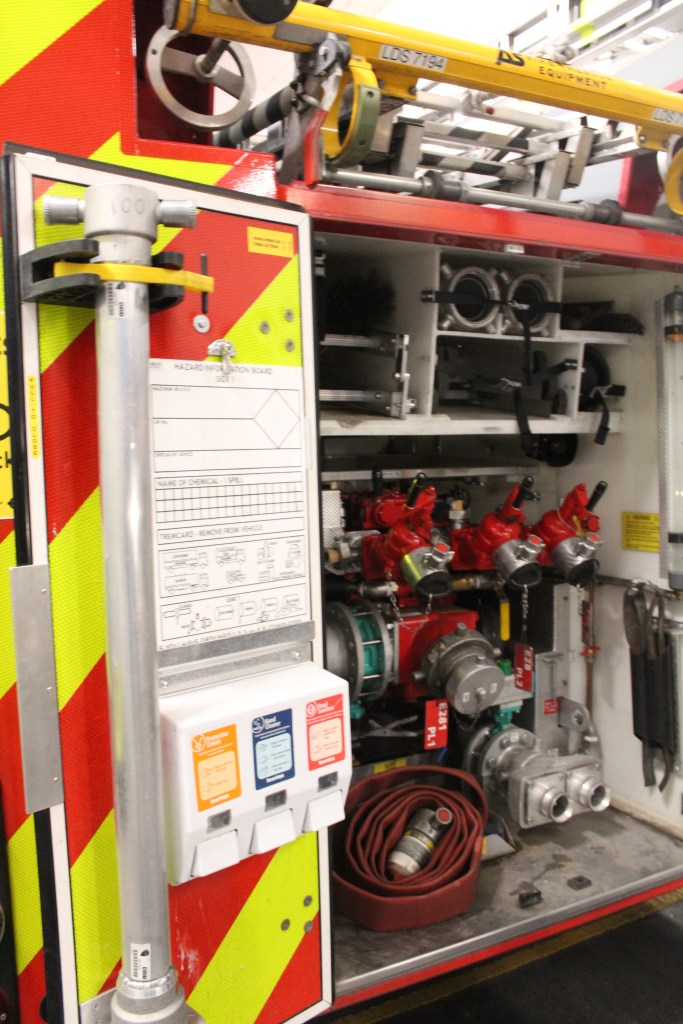
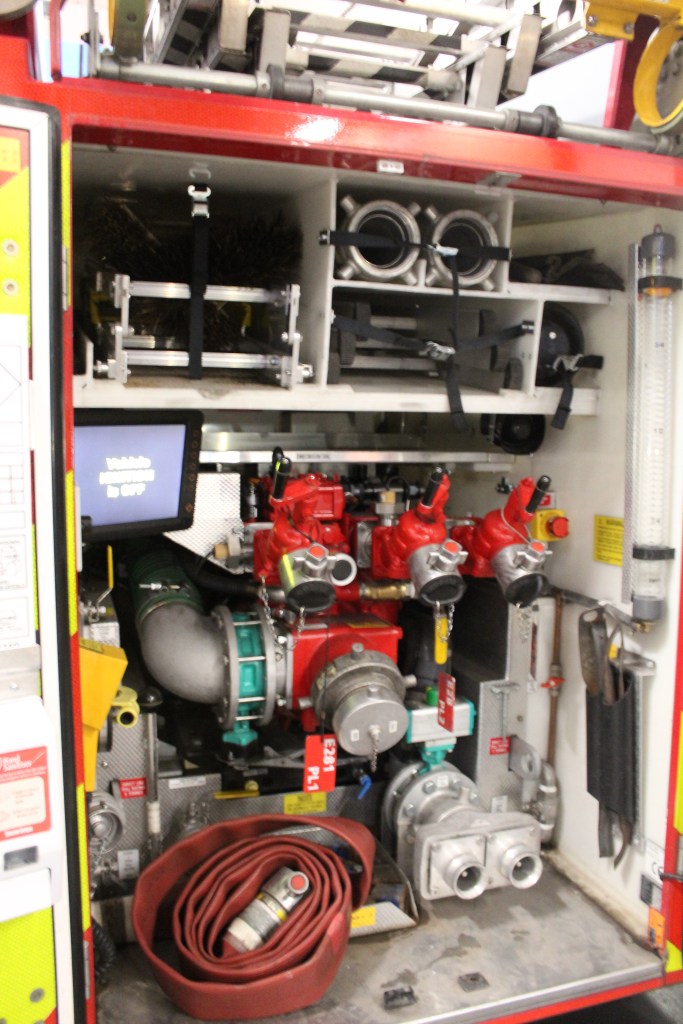
Hoses (information)
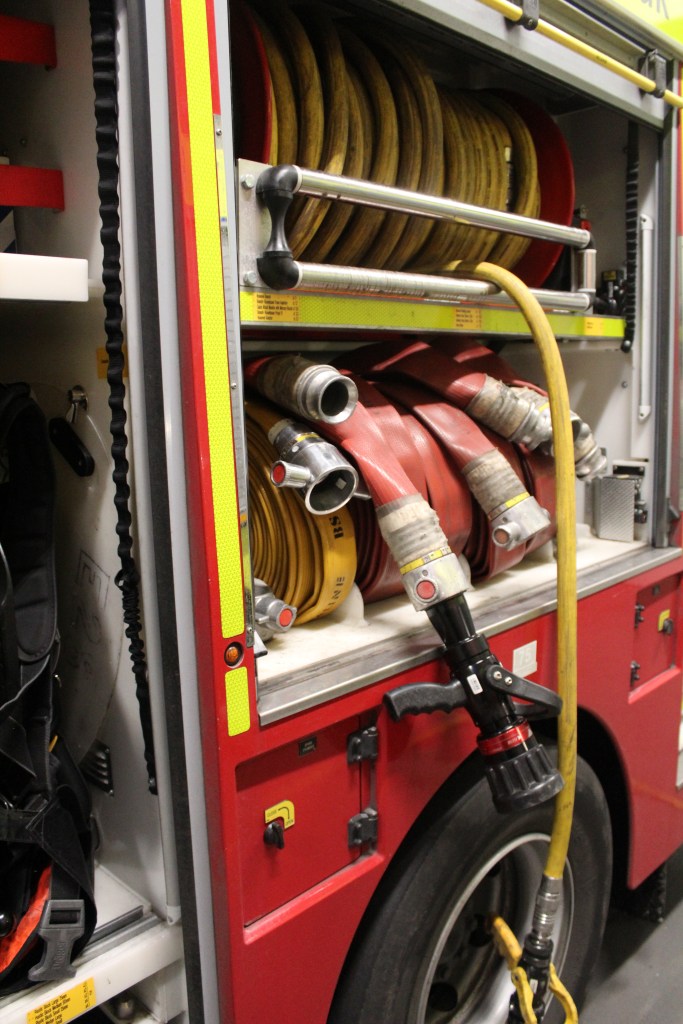
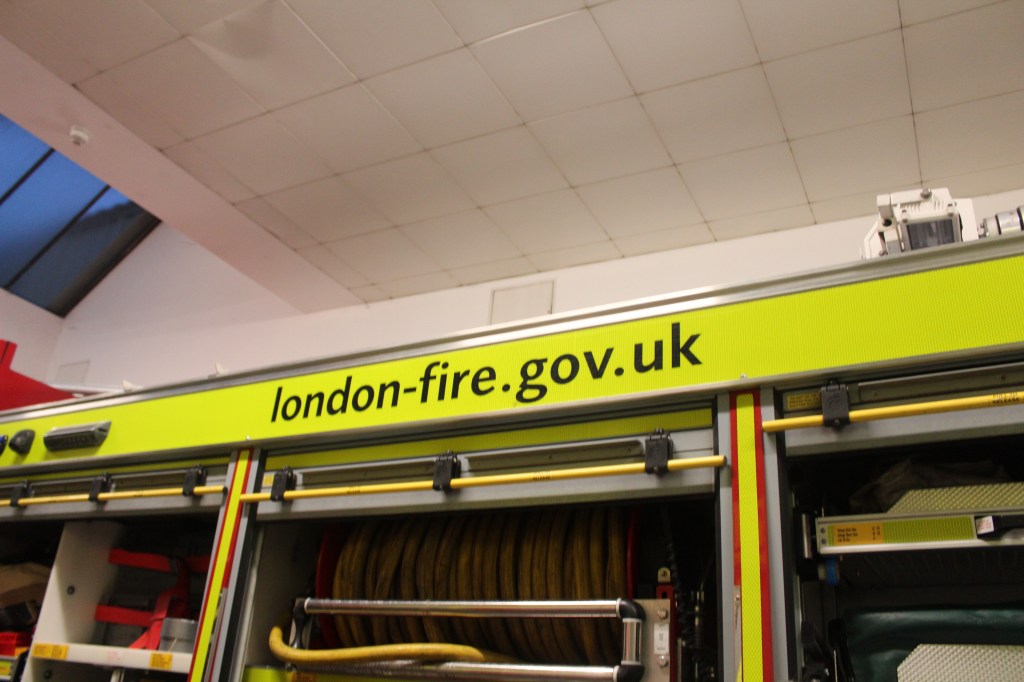
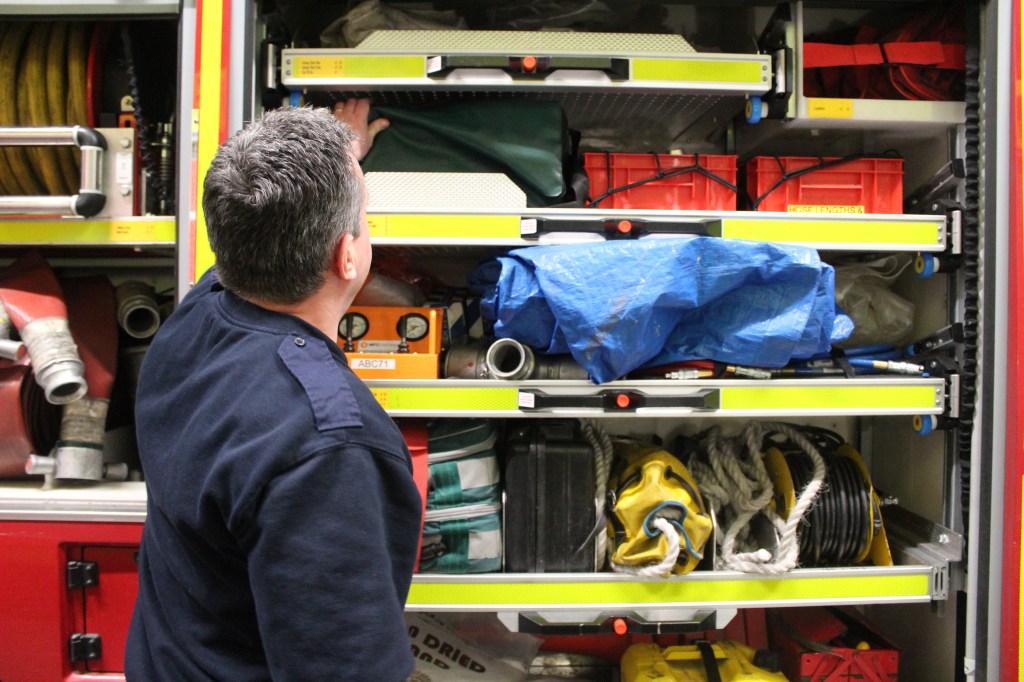
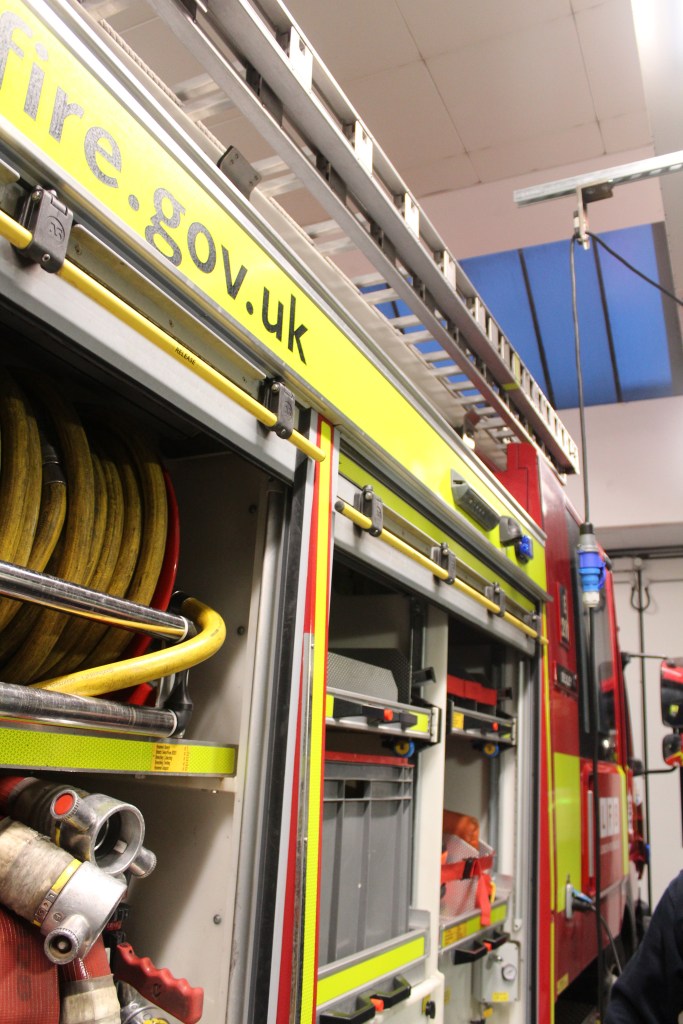
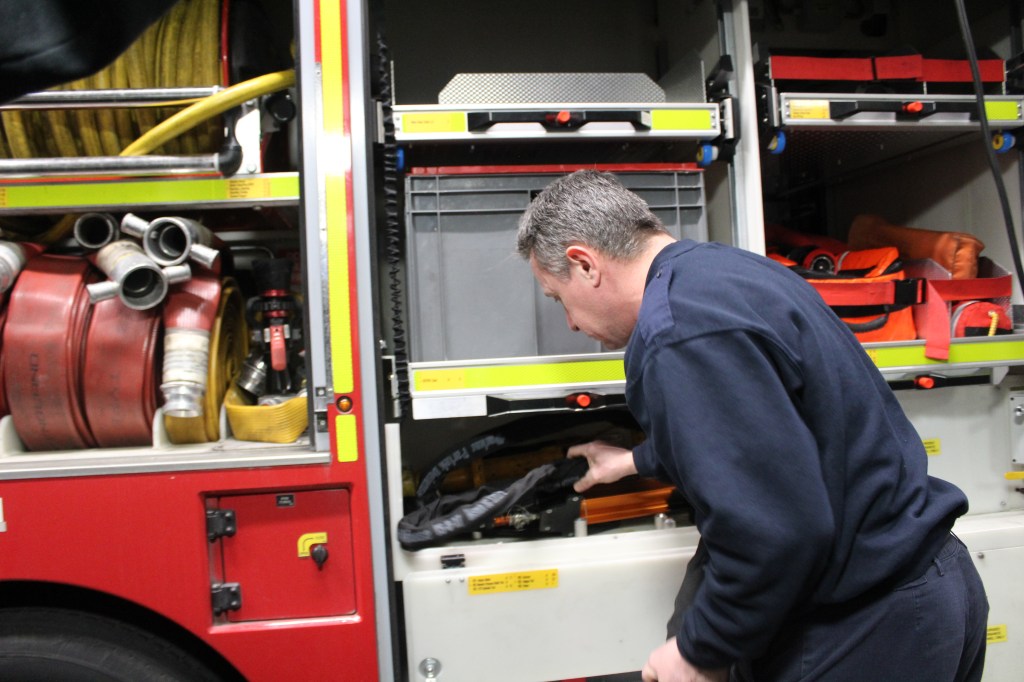
We use a variety of hose to tackle fire and floods, and have a team who manufacture and repair this crucial part of our equipment
Types of hose
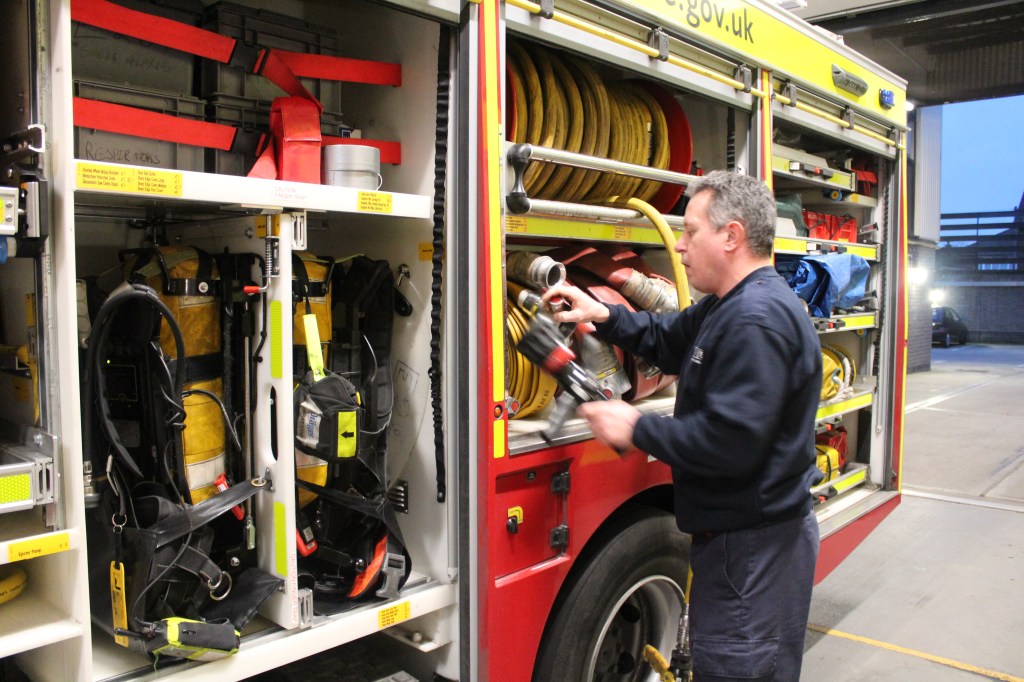
We use different types of hose – varying in diameter and length:
- 22mm hose – at 18.3m in length this yellow high pressure hose reel can be used in small spaces, as it’s easy to manoeuvre.
- 45mm hose – at 23m in length this is the standard hose, commonly used in house fires. Most of our 45mm hose is red, but when it needs to be taken out of service, we’re replacing it with yellow hose which is easier to see.
- 70mm hose – at 23m in length this hose is used in different scenarios. Its wide diameter delivers lots of water fast, but the weight of that water makes it harder to manoeuvre. This hose is also being replaced with yellow hose.
- 70mm aerial hose – with some added length bringing this hose to 30m, it can be used on aerial appliances.
- 12mm chimney hose – this slim hose has a rose on the end, which spurts water in all directions, helping to extinguish fires in chimneys
Hose layer units (HLU)
HLU are vehicles located across London ready to be mobilised. Each HLU contains 140 sections of 90mm hose, each 30m in length (4km in total). So when there’s a fire without a nearby hydrant or water source, a HLU can lay hose from the nearest water source all the way to the fire.
High volume pumping units (HVP)
A HVP carries a submersible pump, with a very wide hose. This can be used both to suck up and remove water in a flood, and draw water from bodies of water which can then be used to fire fires.
Hose manufacture
Of all the fire and rescue services in the UK London Fire Brigade is the only one that boasts an in-house hose manufacturer. We’re classed as manufacturers because the Technical Rescue & Hose team couple the hose themselves. They use a unique binding technique with 3 banks of 8 binds, which incorporates a failsafe other manufacturers don’t usually provide.
Hose repair
The team also carry out repairs to hose damaged by bursts, broken glass or any kind of pinprick. The repair process is similar to repairing a bicycle tyre, where the hole is initially made bigger, fitted with an inside patch, and an outside patch, and then heated. This process is called vulcanisation and takes around 40 mins.
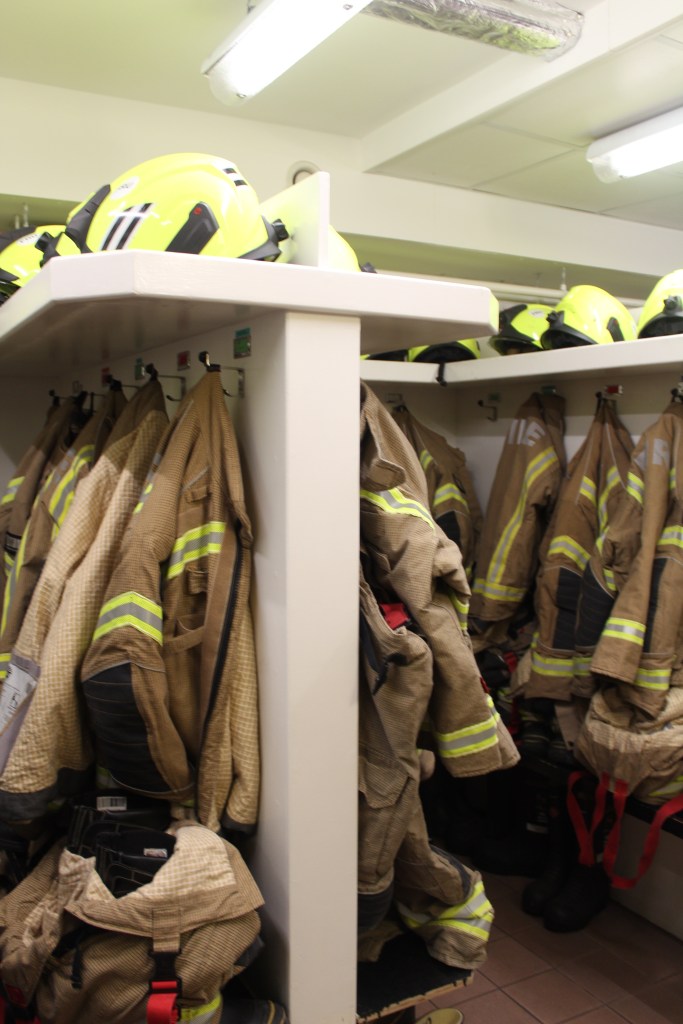
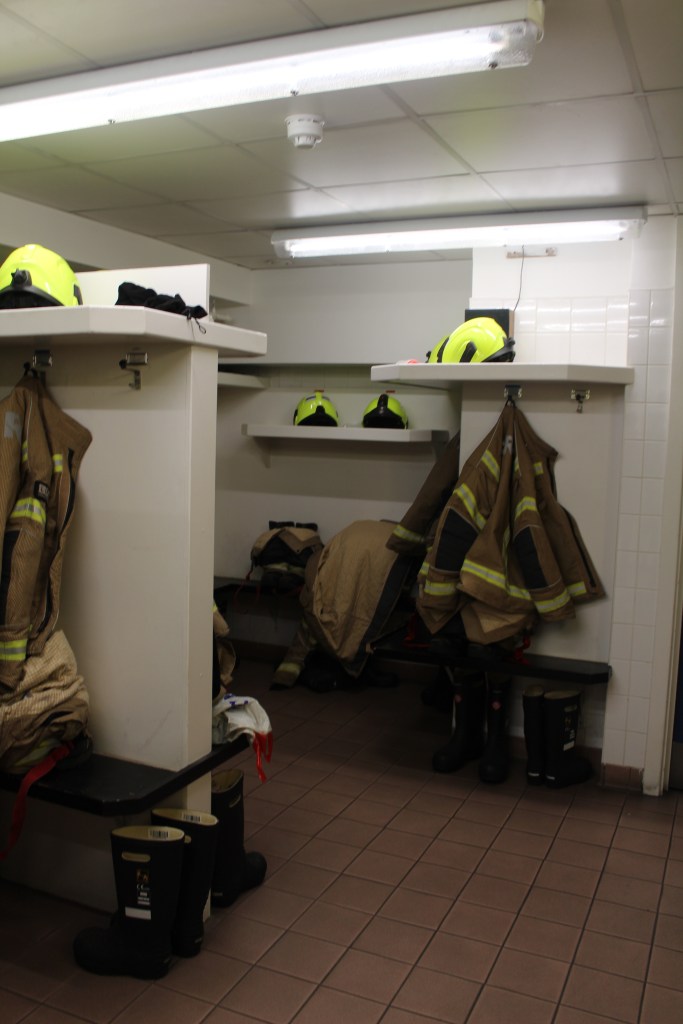
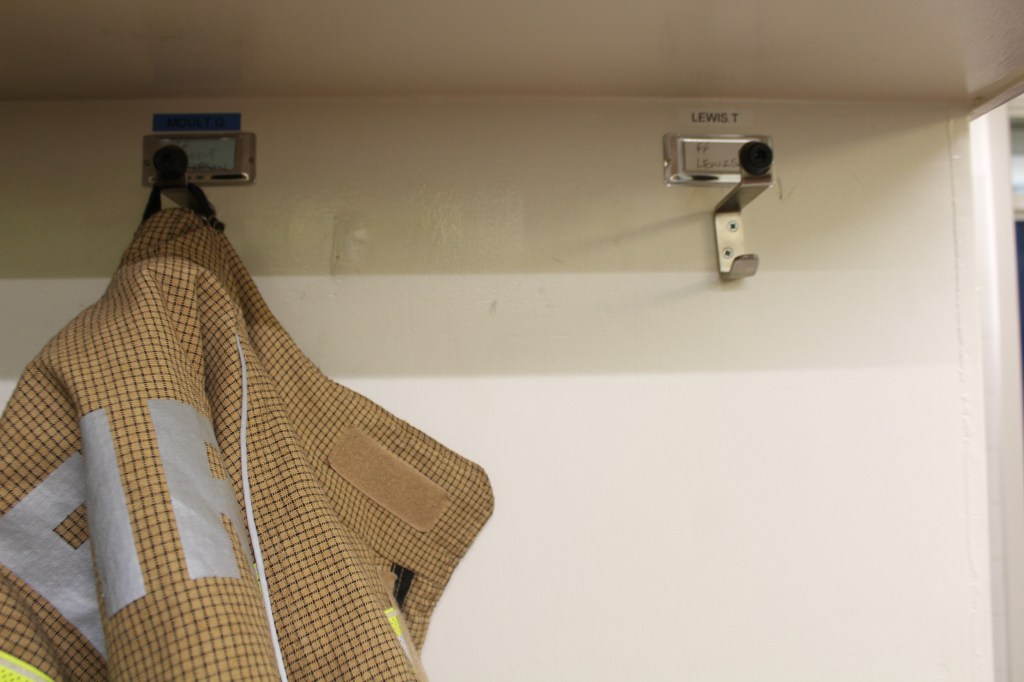
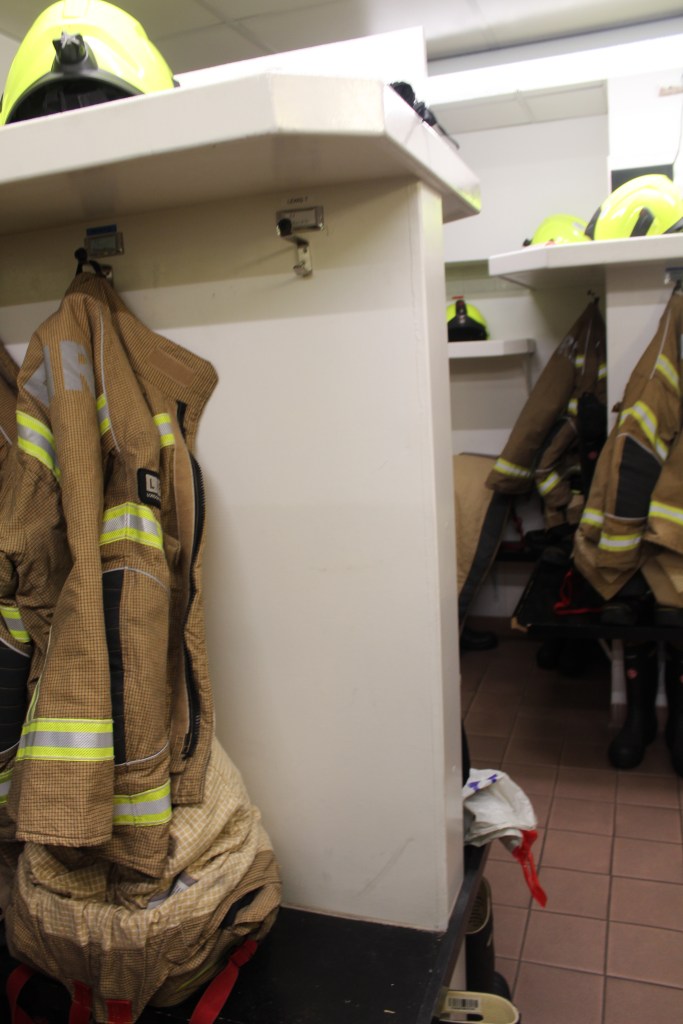
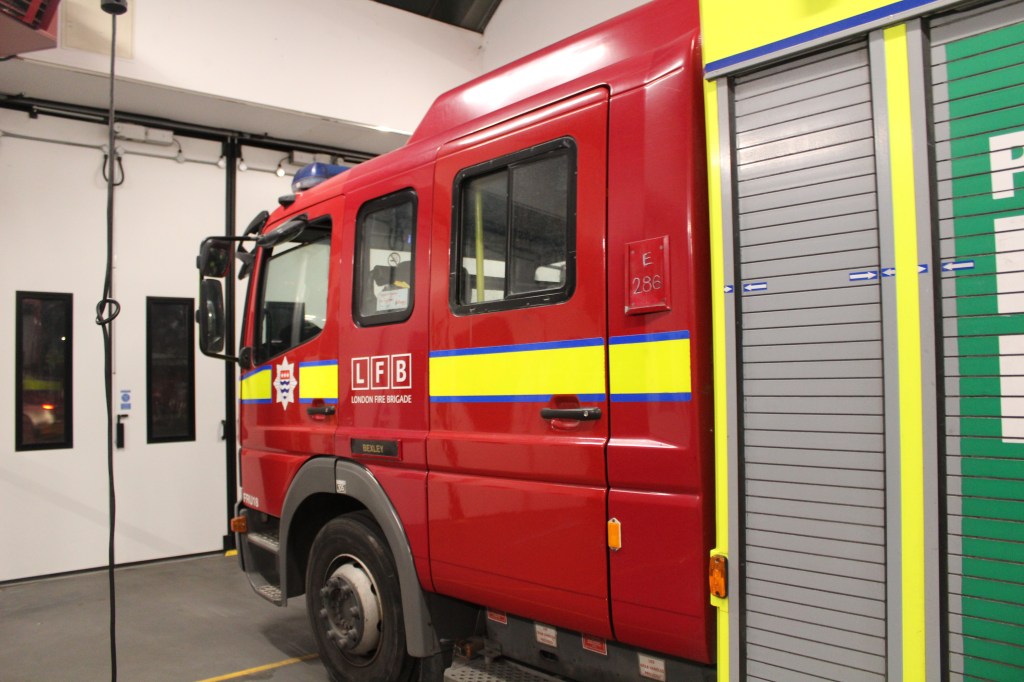
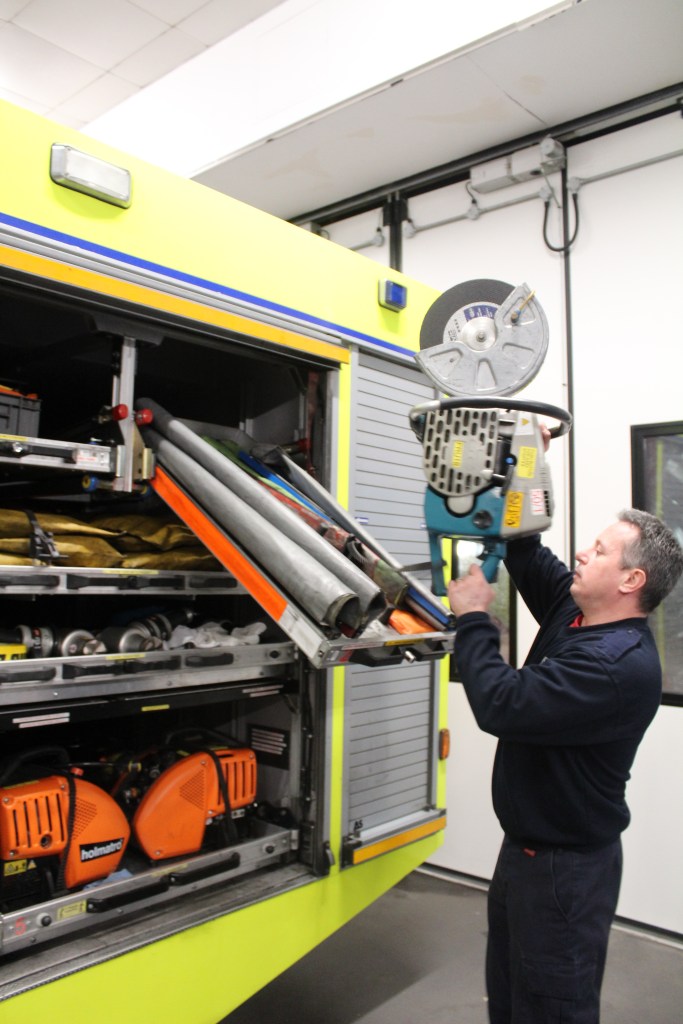
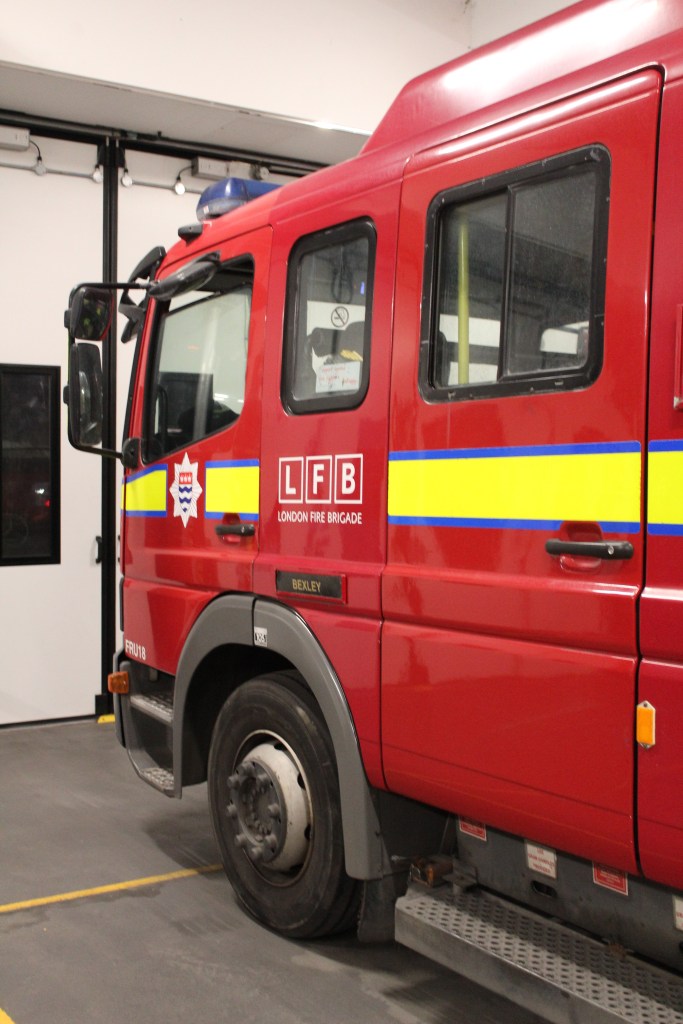
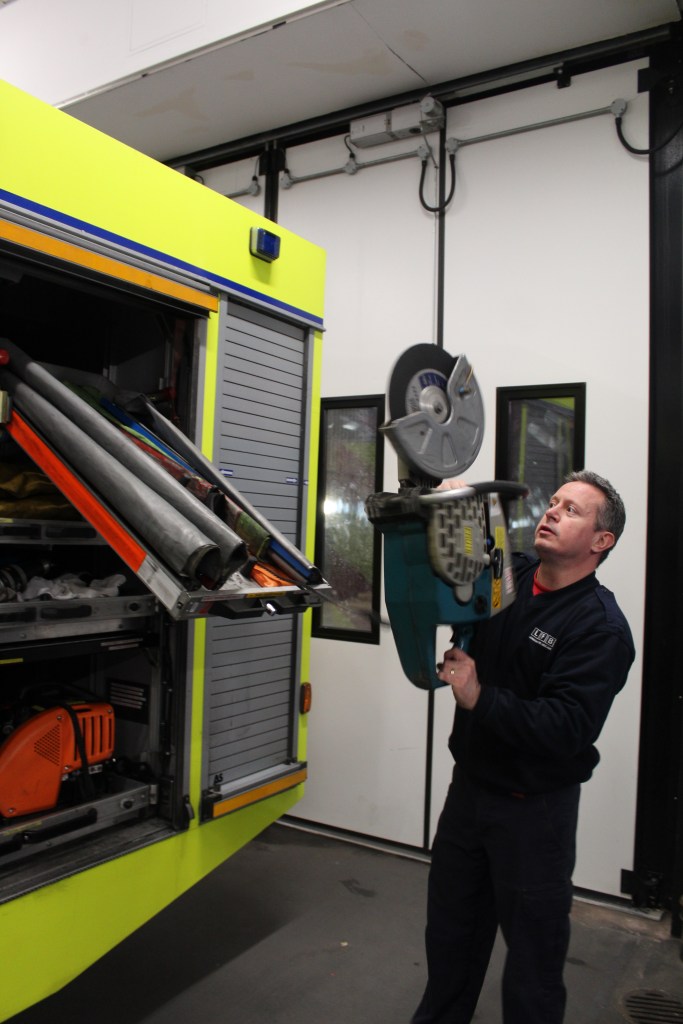
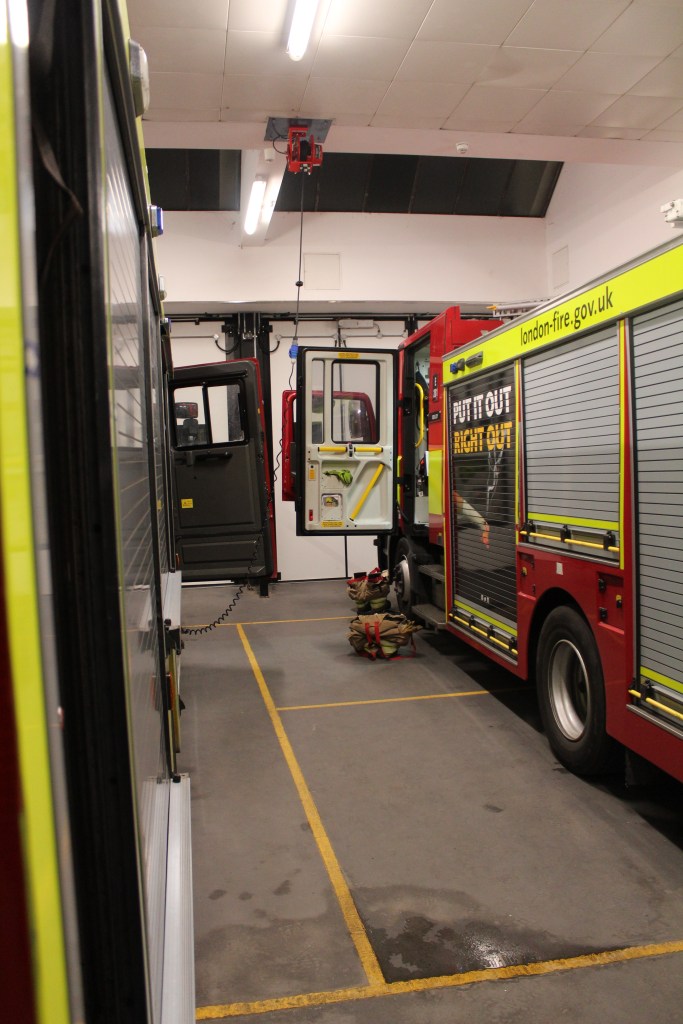
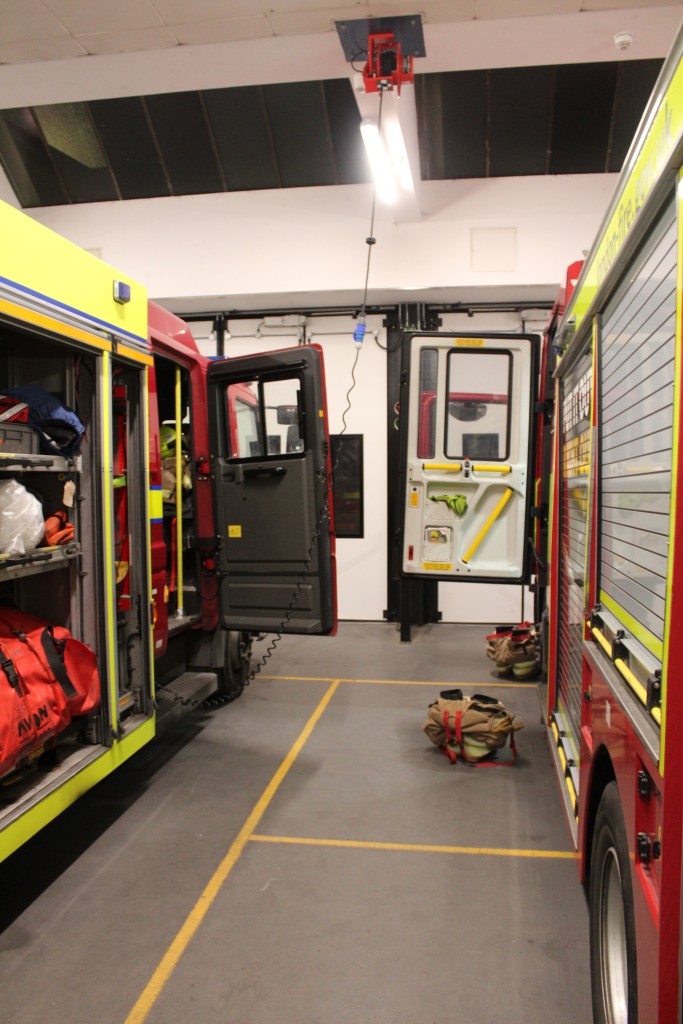
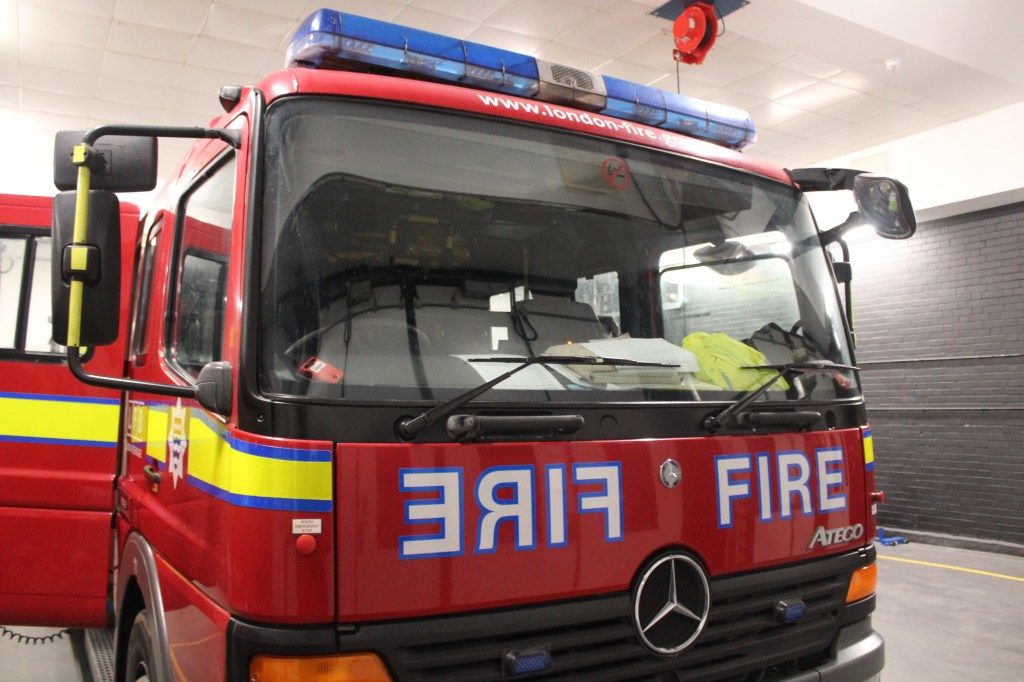
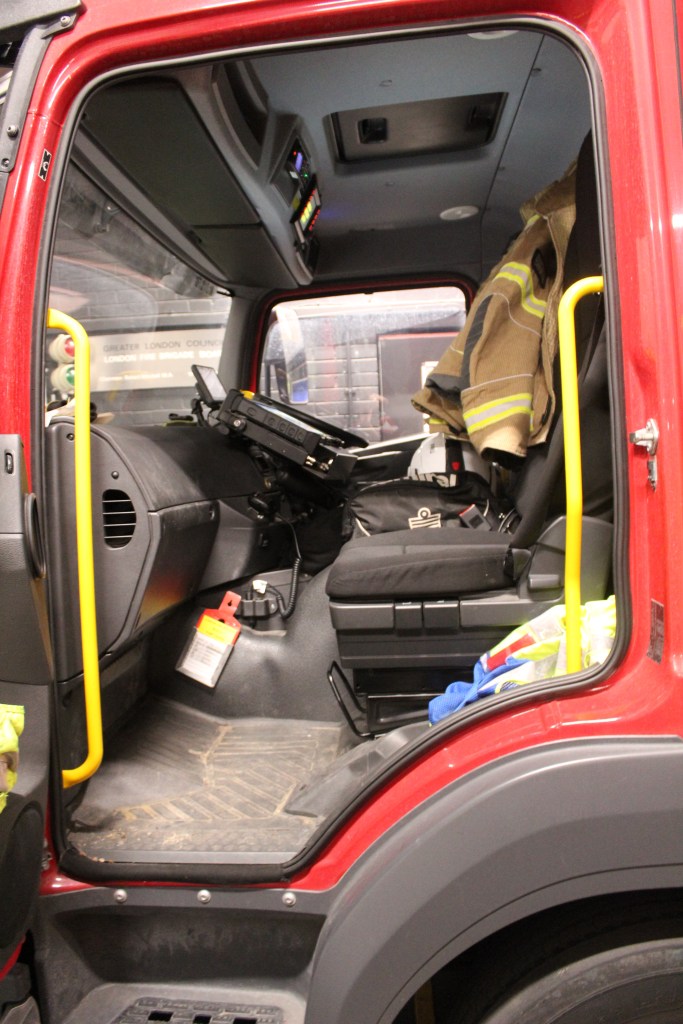
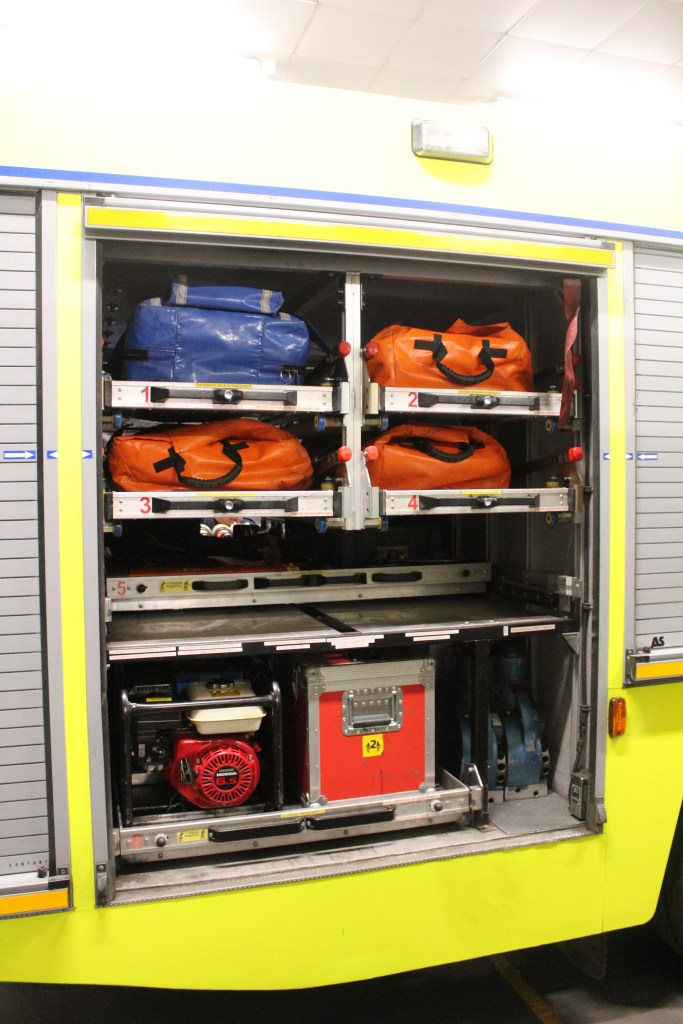
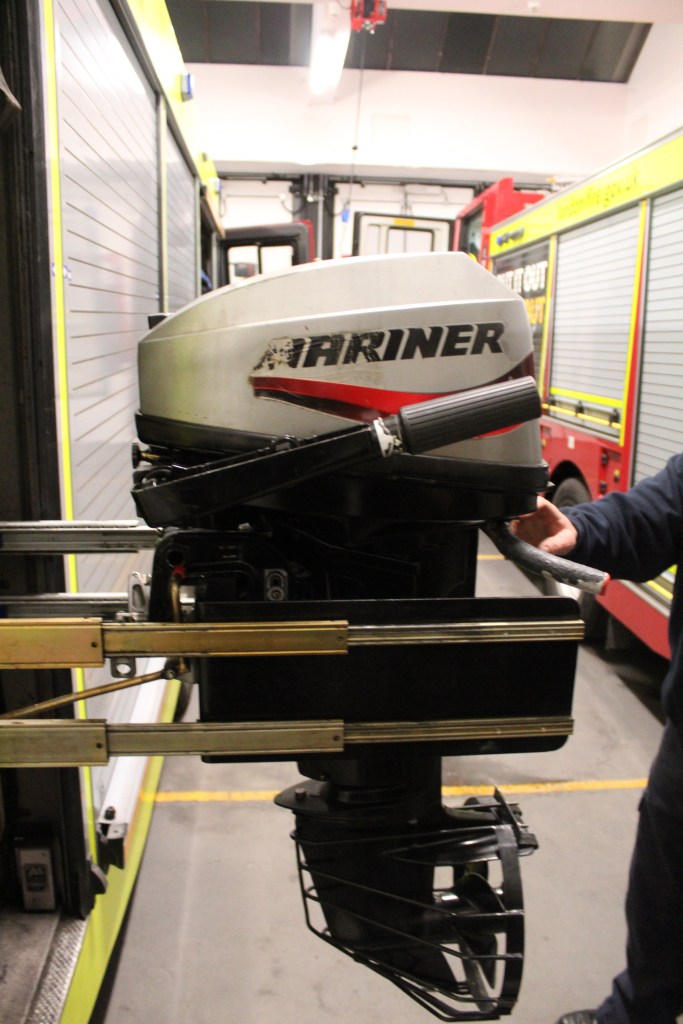
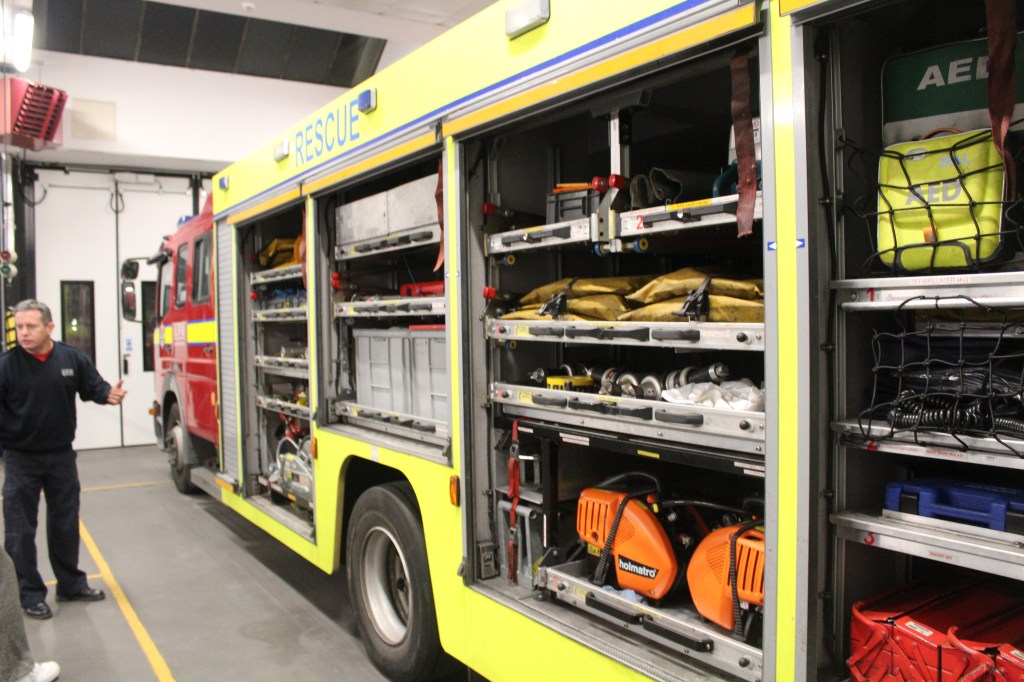
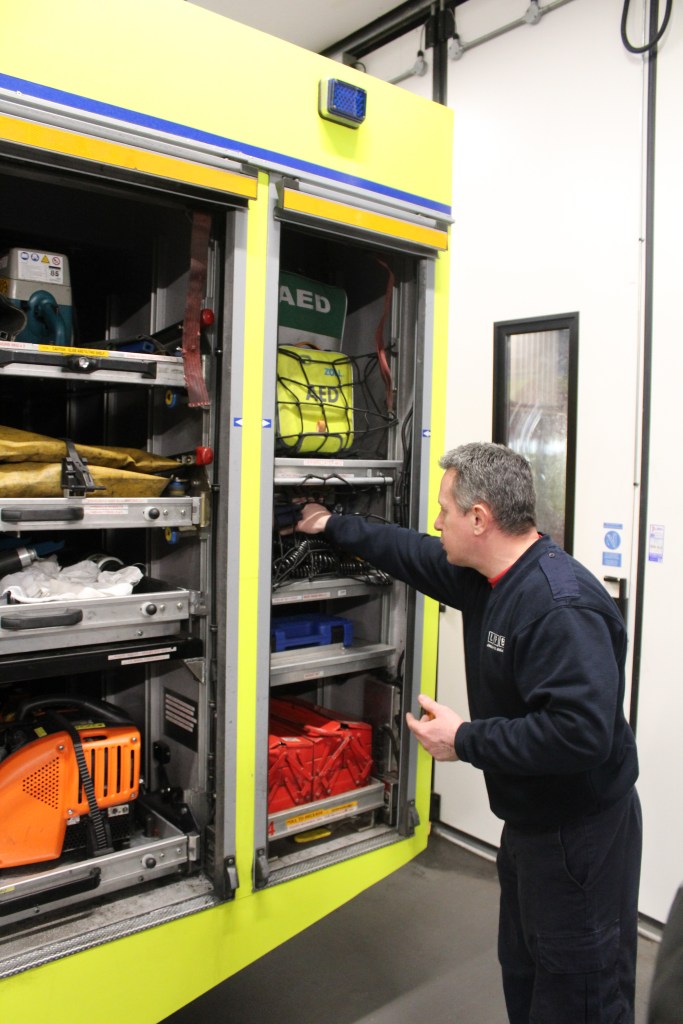
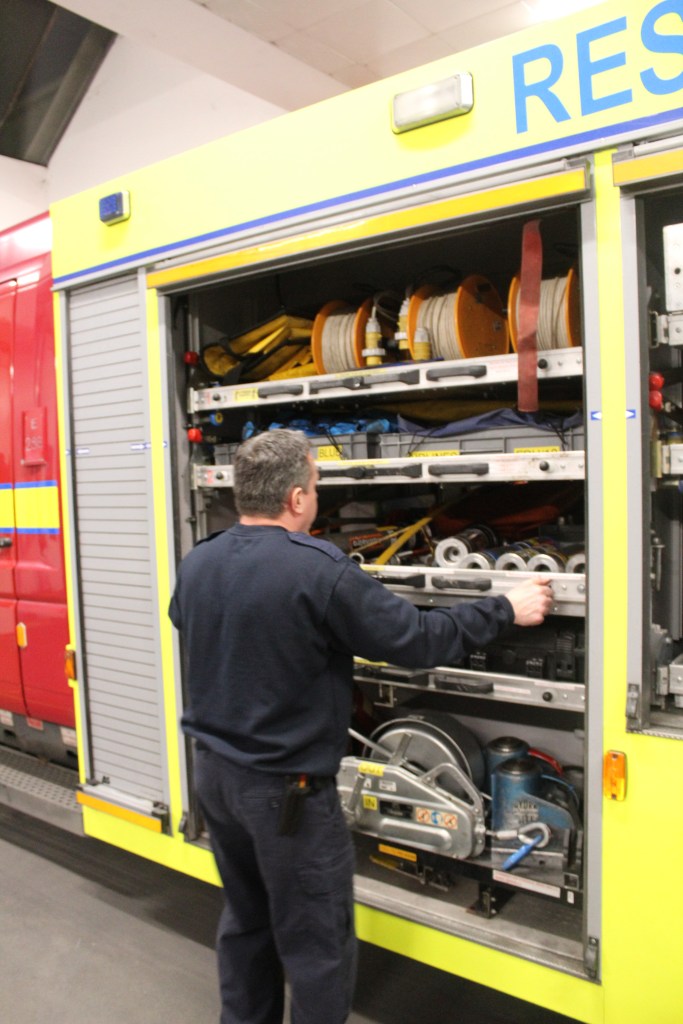
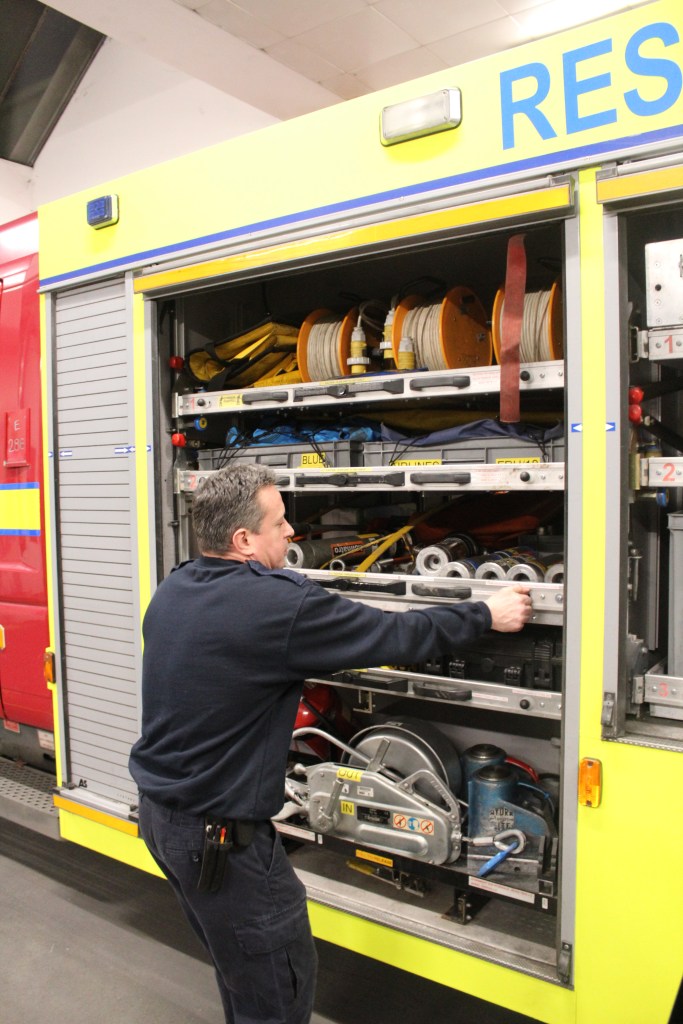
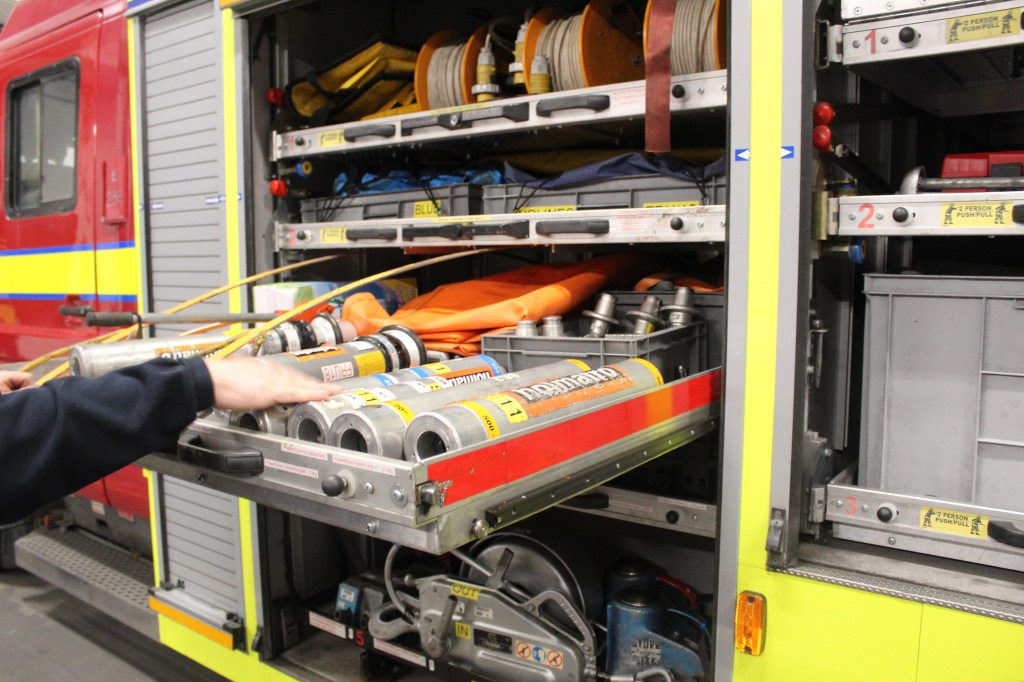
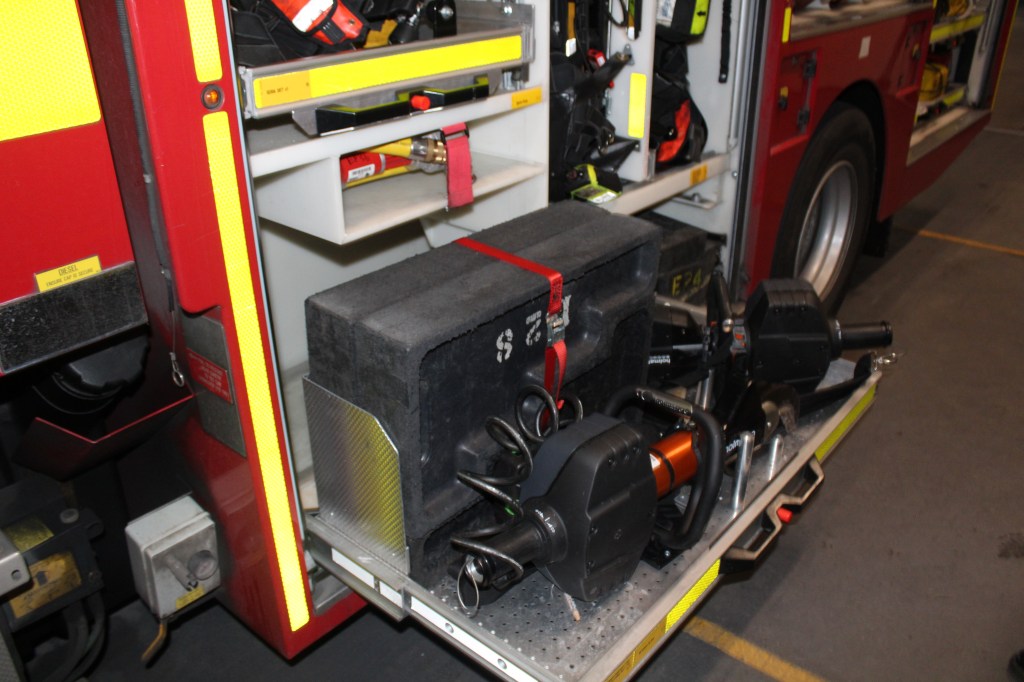
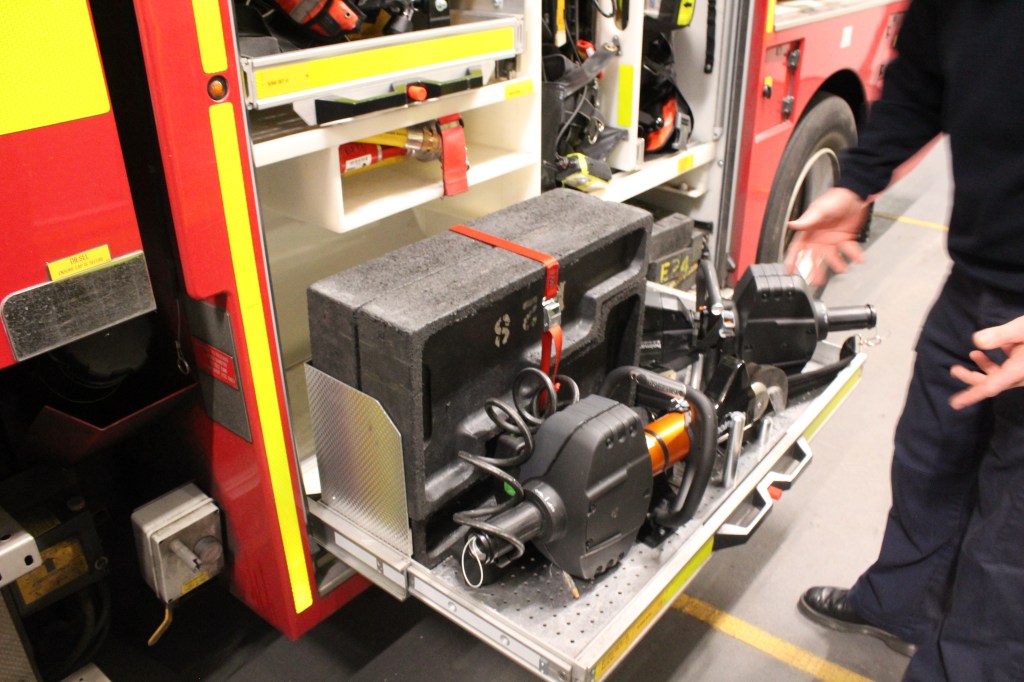
With LFB they provide a variety of information based on certain equipment etc, but I wanted to only showcase the ones that I had imagery on therefore would not be using other peoples imagery. I also felt like some other ideas I had fitted into the design more. So from each category I took 2 examples to fit into the school pack and if anyone wanted to find out more they could visit the website. I feel as if kids get bored after the first image therefore only showcasing a few within my designs would help engage people.










 ktwilliamsdesigns4BA